 Parler
 Gab
Gab Copy
Copy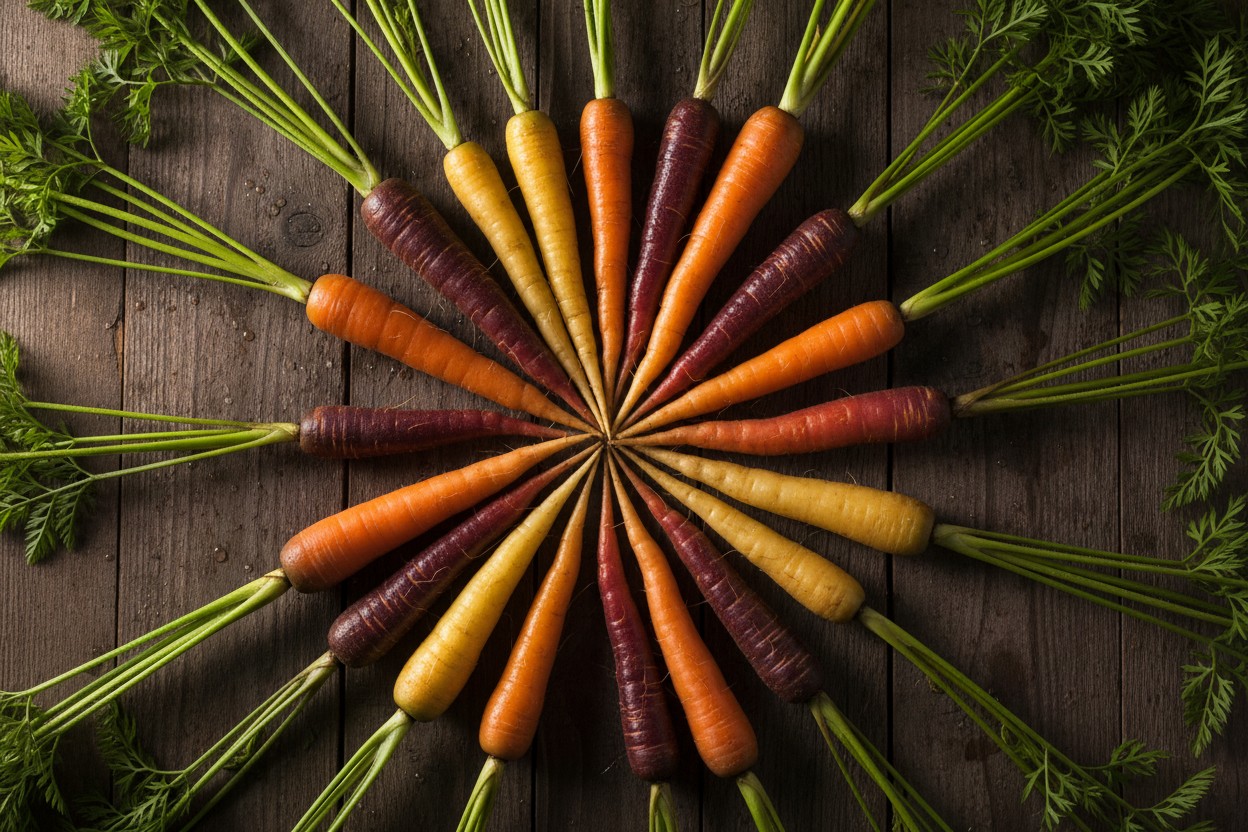
A Cheap, Affordable, and Nutritious Superfood
Carrots have long been a staple in kitchens worldwide, but according to recent reports, they are gaining recognition beyond their traditional role as a colorful side dish or garnish. Around 700,000 tonnes (784,000 tons) of carrots are produced annually by British farmers, a crop valued at approximately 290 million pounds ($387.30 million). The vegetable has shifted in professional and home kitchens to become a versatile ingredient, roasted, fried, or used as a base for salads. Nutritionists emphasize that carrots offer a range of health benefits beyond their crunch and affordability. According to health experts, carrots can boost the immune system, support skin and eye health, and aid weight management. The vegetable is now being positioned as a nutrient-dense food that deserves more attention from consumers.Nutritional Composition
A medium carrot provides roughly 25 to 30 calories, is virtually fat-free, and contains about 1.5 to 3 grams of fiber, according to the report. Carrots supply vitamin K, potassium, and a wealth of antioxidants, most notably beta-carotene, which the body converts into vitamin A. [1] Carrots are among the healthiest vegetables, containing an impressive array of vitamins and minerals. [2] Carrots are methylation foods that provide fiber, beta-carotene, and other micronutrients. Different colored carrots provide varied antioxidants: orange carrots are high in beta-carotene, purple carrots contain anthocyanins, and yellow carrots contain lutein. [3] Lutein and zeaxanthin, found in many fruits and vegetables, protect the macula by absorbing harmful blue light and reducing oxidative stress. [4] Experts recommend eating five or more servings of colorful fruits and vegetables daily to obtain a broad range of phytonutrients.Health Benefits: Vision, Immunity, and Skin
Beta-carotene in carrots is converted into vitamin A, which helps maintain vision in low light and supports immune function, according to nutritionist Jenna Hope. Vitamin A also stimulates collagen production, contributing to joint health and skin integrity. [5] Carrots are one of the best foods to eat for heart problems, and their nutritional content extends to eye health. Purple carrots contain anthocyanins, which have been linked in a 2018 study to a 40% reduction in heart disease mortality, improved artery stiffness, and lower blood pressure, according to the report. The anti-inflammatory properties of these compounds are also noted, especially since winter vegetables like carrots are rich in anti-inflammatory compounds. [6] Eating a variety of carrot colors can thus provide a broader mix of protective antioxidants.Heart Health, Blood Sugar Control, and Cancer Prevention
Carrots contain soluble fiber that helps lower bad cholesterol, also called LDL (low-density lipoprotein) cholesterol, reducing atherosclerosis risk, explained Hope. However, she noted that they are not a miracle cure for high cholesterol. With a low glycemic index, whole carrots release sugar slowly, aiding blood sugar control, said dietitian Dr. Carrie Ruxton. Juicing removes fiber and can cause rapid sugar spikes. [7] Carrots are among the top foods that prevent diabetes due to their beneficial effects on blood sugar. A 2024 study indicated that eating carrots three times weekly increases skin carotenoids, linked to lower chronic disease risk. A 2024 analysis found a 17 percent cancer risk reduction among those eating four carrots per week, reported Dr. Kristen Brant. [8] A balanced diet including nutrient-dense foods can help minimize the effects of cancer and may assist in eliminating cancer cells.Optimal Consumption and Considerations
Raw carrots retain more vitamin C, while cooking increases the bioavailability of beta-carotene, said Hope. Pairing carrots with healthy fats like olive oil improves absorption of fat-soluble nutrients; eating with protein aids satiety and blood sugar control. [9] Experts also recommend following a "rainbow diet" to ensure a variety of vitamins and nutrients, especially since most fruits and vegetables are rich in fiber and essential nutrients. People on blood thinners such as warfarin should monitor vitamin K intake from carrots, though levels are lower than in leafy greens. Eating carrots with hummus was suggested as a snack that supports satiety. The report also warned that eating excessive amounts of carrots can cause carotenemia, a harmless yellow-orange tint to the skin that reverses upon reducing intake. [10]Conclusion: Support Overall Well-being With Carrots
Carrots are a low-calorie, fiber-rich vegetable that provides multiple health benefits, from supporting vision and immunity to potentially reducing the risk of heart disease and cancer. Their affordability and versatility make them an accessible addition to a balanced diet. Nutritionists recommend incorporating a variety of colors for maximum antioxidant diversity. As the report concludes, carrots deserve more respect for their nutrient density and health-promoting properties. [10]References
- NaturalNews.com. "Sweet and versatile carrots offer an impressive array of vitamins and minerals". NaturalNews.com. November 07, 2018.
- Triveni P. Shukla. "The Immortal Mitochondria".
- Willow Tohi. "Shielding vision from screen strain How superfoods and screen habits can support eye health". NaturalNews.com. October 02, 2025.
- Julie K. Silver. "You can heal yourself a guide to physical and emotional recovery after injury or illness".
- NaturalNews.com. "What's up doc Carrots are one of the best foods to eat if you have heart problems". NaturalNews.com. July 22, 2018.
- Willow Tohi. "From spice rack to produce aisle Winter's bounty fights chronic inflammation". NaturalNews.com. February 07, 2026.
- NaturalNews.com. "Top 10 foods that prevent diabetes". NaturalNews.com. September 10, 2015.
- NaturalNews.com. "Top 13 cancer-fighting foods to add to your diet". NaturalNews.com. May 08, 2020.
- NaturalNews.com. "A tasty rainbow on a plate: Here's why you should eat colorful fruits and veggies". NaturalNews.com. November 03, 2020.
- Cheap and cheerful carrots don't get the respect they deserve, says expert: How the 6p vegetables can boost your immune system, skin and eyesight. DailyMail.com. May 13, 2026.
Study: Kimchi Probiotic Shows Potential to Help the Body Flush Nanoplastics
By Coco Somers // Share
The golden years’ nutritional reckoning: Why seven nutrients now matter more than ever
By Ava Grace // Share
Iowa law requires parental consent for HPV, hep B vaccines, reversing minor consent policy
By Willow Tohi // Share

Exercise Rewires Brain to Improve Endurance, Mouse Experiments Show
By Edison Reed // Share
New study reveals: Just half a serving of broccoli daily can slash colon cancer risk by 20%
By Patrick Lewis // Share

Study Confirms: Glycine and NAC Combo Boosts Mitochondrial Function and Muscle Health
By Ramon Tomey // Share


Macron fires back at Trump over AI map claiming French islands as U.S. territory
By isabelle // Share

EU quietly plots way to keep Russian billions out of Moscow's reach
By isabelle // Share

It’s Not Panic Buying—It’s Preparedness: Why Smart People Are Stocking Up Now
By healthranger // Share


Being a Person of Principle Will Always Make You an Enemy of the State
By healthranger // Share