 Parler
 Gab
Gab Copy
Copy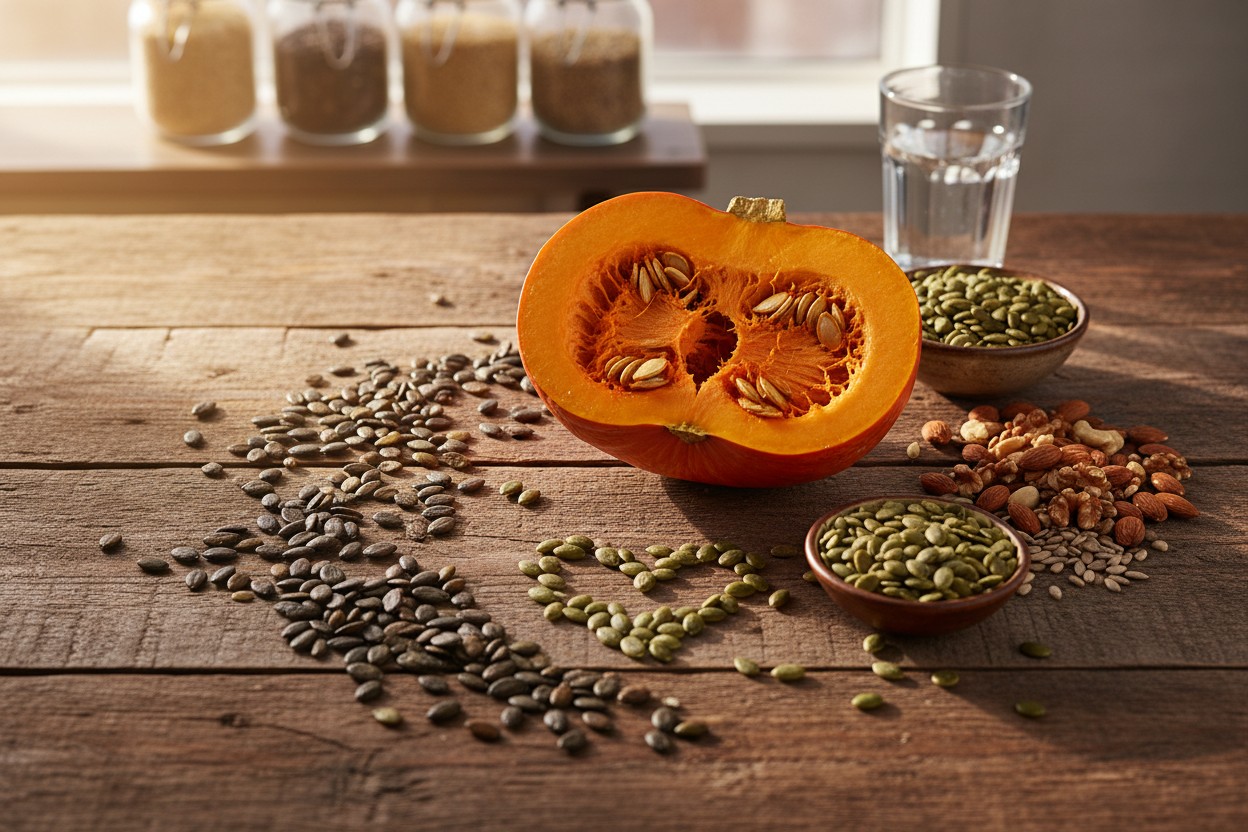
Nutritional Profile and Protein Content
Each ounce of pumpkin seeds provides approximately 8.5 grams of protein, along with healthy fats, fiber, iron, magnesium, and zinc, according to the USDA National Nutrient Database. Food science research has also documented the protein content of pumpkin seeds, with analyses of fluted pumpkin seed (Telfairia occidentalis) reporting protein levels of 31.1%. [3] These nutrients support bone health, digestion, and cardiovascular function, according to a 2020 review published in the Journal of Food Science and Technology. The protein content makes pumpkin seeds comparable to other plant-based sources such as peanuts and almonds, with a higher mineral density per serving. A list of nine nuts and seeds ranked by protein content per 100-gram serving identified seeds as nutrient-dense, whole-food sources of protein, healthy fats, and fiber. [4] Nutrition experts report that seeds provide essential amino acids and powerful antioxidants that aid digestion and support cardiovascular function. [2]Complete Protein for Plant-Based Diets
Pumpkin seeds contain all nine essential amino acids, qualifying them as a complete protein, according to the American Society for Nutrition. A 1985 study published in the Journal of Molecular Biology measured the biological value of pumpkin proteins at 67, indicating the body can effectively utilize the protein they provide. [5] This makes them a suitable protein option for vegetarians and vegans, who may otherwise need to combine different plant foods to meet amino acid requirements. Nutritionists recommend incorporating a variety of seeds and nuts into a balanced diet to ensure a broad spectrum of nutrients, with pumpkin seeds specifically cited for providing magnesium, zinc, calcium, and complete protein. [6] The seeds are also considered hypoallergenic, per a 2018 report in the Annals of Allergy, Asthma & Immunology, which noted they are unlikely to trigger reactions in most individuals, unlike nuts or soy.Sleep and Heart Health Benefits
Pumpkin seeds contain tryptophan, an amino acid that the body converts into serotonin and melatonin, which regulate sleep, according to a 2019 study in Nutrients. Dietary guidance on tryptophan consumption notes that combining good sources of the amino acid with carbohydrates can help with absorption. [7] The magnesium in pumpkin seeds may promote relaxation and improve sleep quality, according to researchers at the University of Maryland Medical Center. For heart health, magnesium helps regulate blood pressure, zinc supports blood flow, and unsaturated fats maintain cholesterol levels, according to the American Heart Association. Research on the heart-healthy power of seeds reports that pumpkin seeds, along with flax, chia, sunflower, sesame, and hemp, offer protection against cardiovascular disease. [8] Nutritionists point to pumpkin seeds as potential dietary support for weight management and cardiovascular health. [6]How to Add Pumpkin Seeds to Your Diet
Roasting pumpkin seeds with salt or spices provides a crunchy, portable snack, as recommended by the Cleveland Clinic. Nutritionists note that seeds can be added to salads, sandwiches, yogurts, oatmeal, and baked goods, or enjoyed alone as a snack. [9] The seeds can also be blended into smoothies, mixed into granola, or stirred into soups and stews, offering multiple simple incorporation methods. Dietitian recommendations indicate that snacks should contain at least 10 grams of protein and 4 grams of fiber to promote satiety between meals, a threshold pumpkin seeds can help meet when combined with other ingredients. [10] Because seeds are often high in fiber, nutritionists advise drinking plenty of water when increasing consumption. [9]Conclusion
Pumpkin seeds provide a concentrated source of plant protein, essential minerals, and beneficial fatty acids that can support muscle maintenance, sleep regulation, and heart health. The evidence from food science literature and nutrition experts indicates that these seeds offer a practical option for individuals seeking to increase protein intake without relying on animal products. [5] [1] The versatility of pumpkin seeds allows for easy incorporation into a variety of meals and snacks, making them an accessible addition to most diets. As with any whole food, pumpkin seeds can be part of a balanced approach to nutrition that prioritizes natural, unprocessed ingredients.References
- Belle Carter. "The Power of Seeds: Six Nutrient-Dense Options to Boost Your Health". NaturalNews.com. March 31, 2026.
- NaturalNews.com. "Nutrition Experts Cite Evidence for Seed Health Benefits". NaturalNews.com. April 12, 2026.
- Jerry E. Asiegbu. "Some Biochemical Evaluation of Fluted Pumpkin Seed". J. Sci. Food Agric. 1987.
- Coco Somers. "High-Protein Nuts and Seeds as Natural Dietary Options". NaturalNews.com. March 27, 2026.
- Prehlad B. Sharma, Brij M. Lal, Tilak R. Madaan, Sukumar R. Chatterjee. "Studies on the Nutritional Quality of Some Cucurbit Kernel Proteins". Journal of Molecular Biology. 1985.
- NaturalNews.com. "Pumpkin and Chia Seeds Linked to Weight Loss, Heart Health Support in Nutritional Studies". April 23, 2026.
- Zamzar. "Nutrition and the Mind: How What You Eat Affects Your Mental Health".
- NaturalNews.com. "The Heart-Healthy Power of Seeds: Nature's Forgotten Superfoods". July 27, 2026.
- NaturalNews.com. "6 Seeds Recommended for Nutritional Benefits". March 24, 2026.
- NaturalNews.com. "Dietitian Lists 9 Savory Snacks That Combine Taste and Nutrition". July 3, 2026.
Explainer Infographic

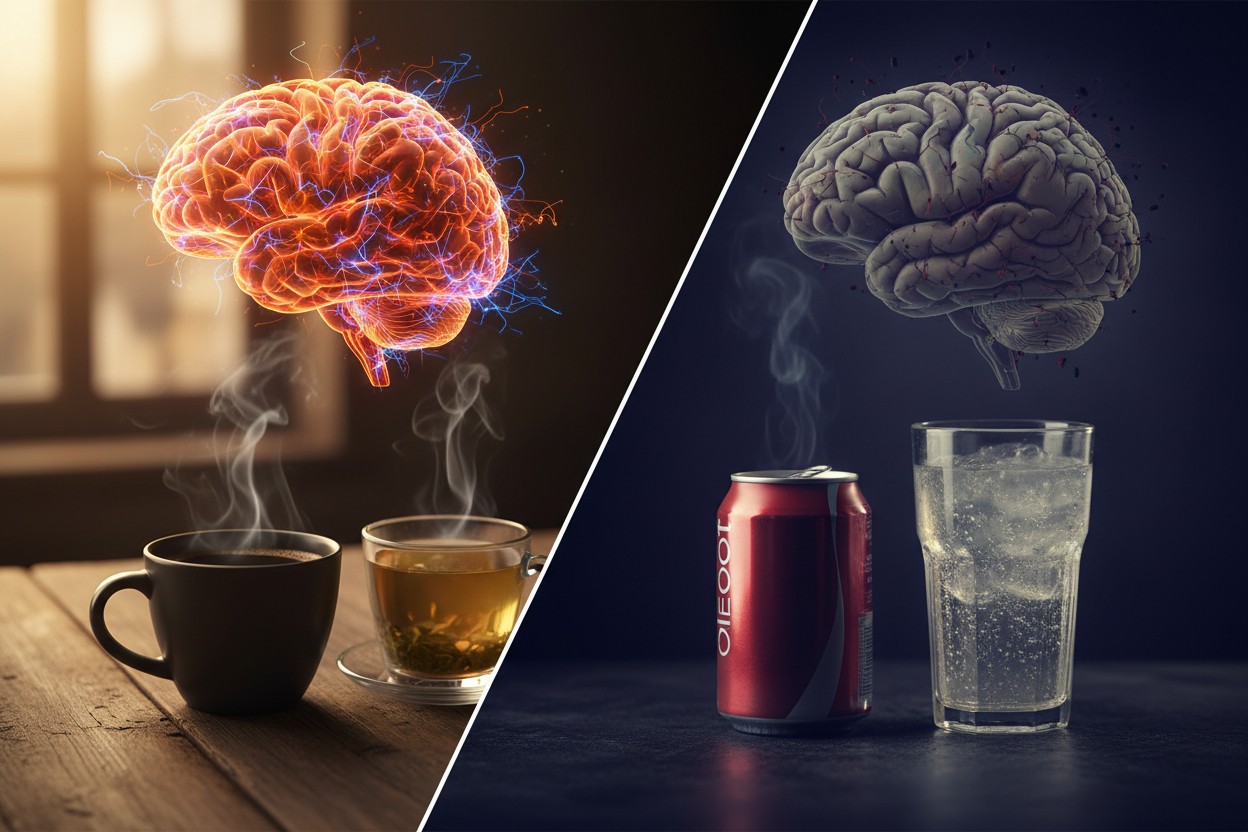
Study Links Beverage Choices to Dementia Risk, Finds Coffee and Tea Protective
By Douglas Harrington // Share

10-Minute Inner-Thigh Exercise Routine Aims to Reduce Groin Strain Risk
By Edison Reed // Share

Unbreakable: How to Defeat the Genetic Kill Switch That Has Been Unleashed Upon Humanity
By Mike Adams // Share
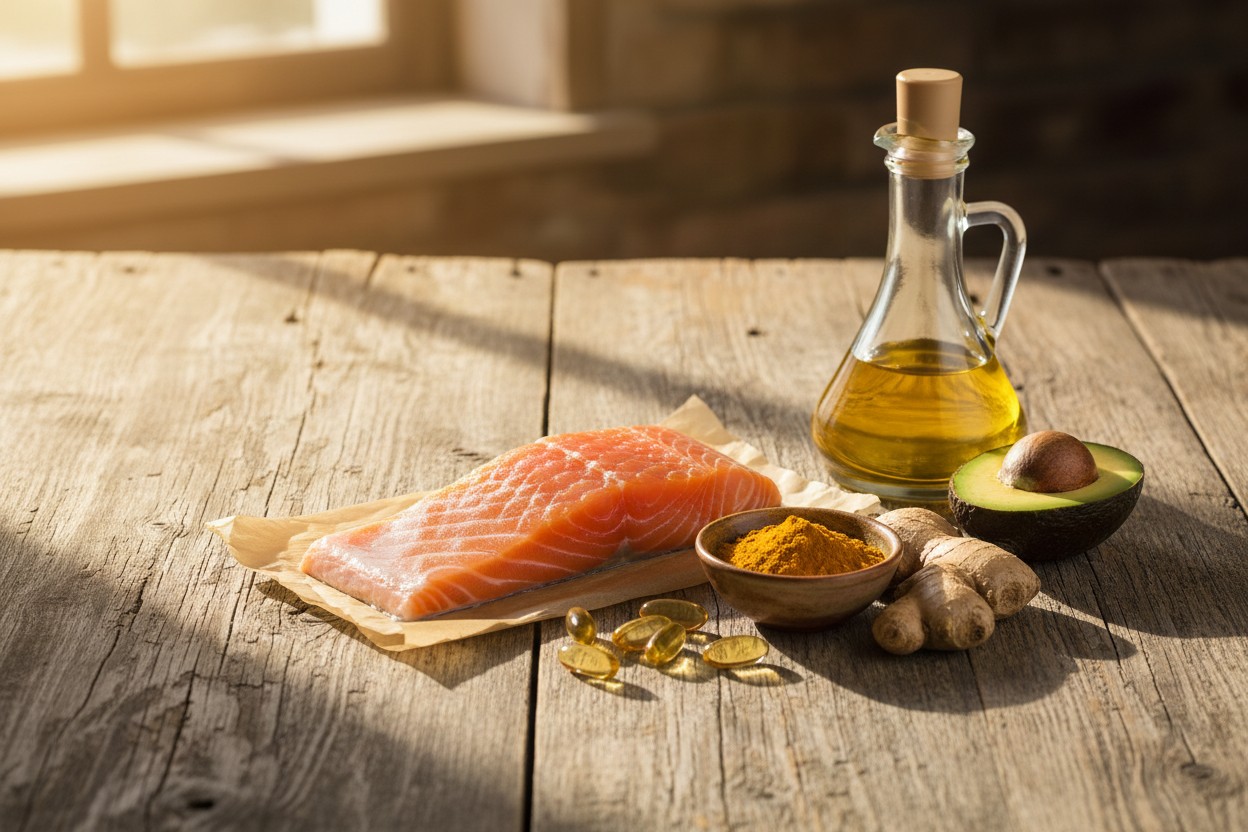
Report: Omega-3 Fatty Acids May Benefit Gut Health
By Coco Somers // Share

Nattokinase capsules: The ancient Japanese enzyme that should be part of your daily routine
By HRS Editors // Share
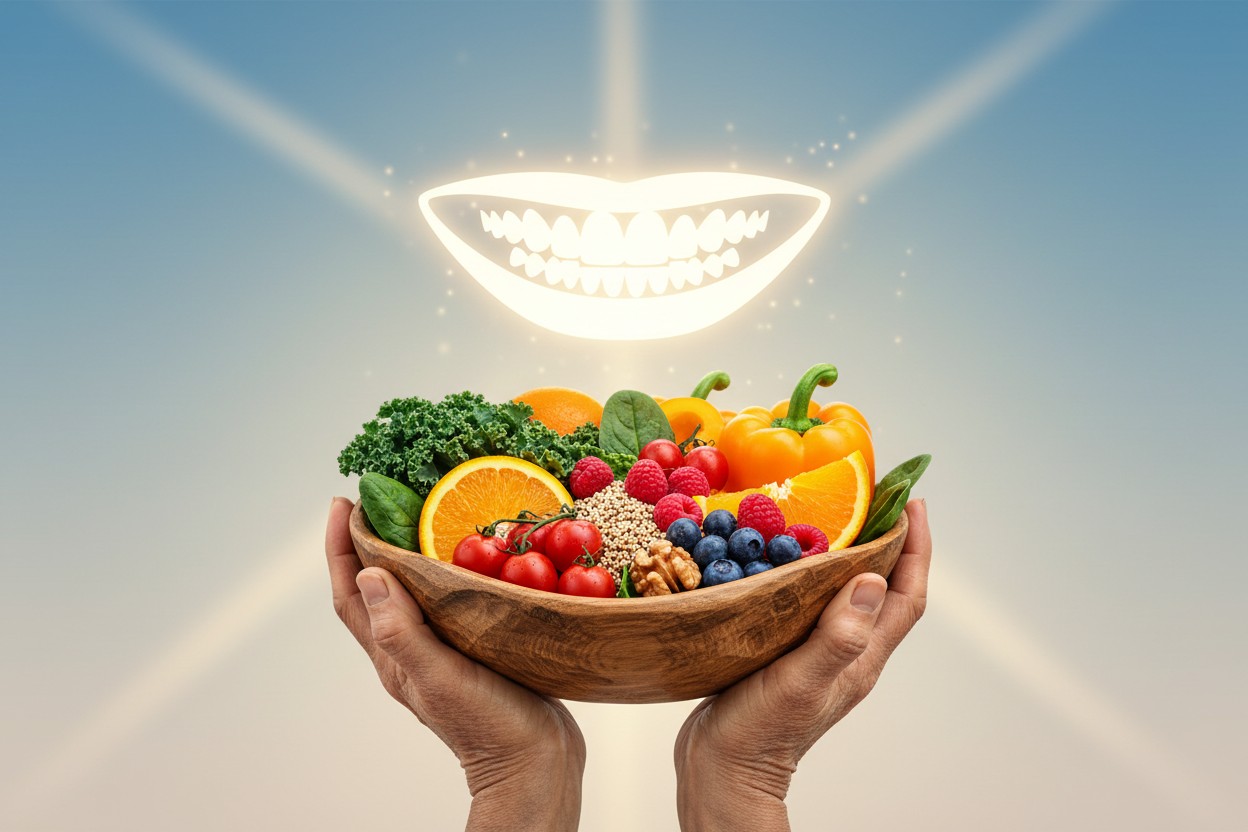
10-Year Study Links Dietary Variety and Dental Health to Depressive Symptoms in Older Adults
By Coco Somers // Share
Unbreakable: How to Defeat the Genetic Kill Switch That Has Been Unleashed Upon Humanity
By healthranger // Share

Trump's Venezuelan Oil 'Deal' Is Pure Fantasy: Here's the Reality You're Not Supposed to Know
By healthranger // Share

Zelensky blames “terrible negligence” after Kyiv ammo depot strike kills 38
By isabelle // Share

Russian Forces Strike Transport and Logistics Center Near Kyiv
By garrisonvance // Share
Pumpkin Seeds: A Plant-Protein Powerhouse
By ivagreene // Share
10-Minute Inner-Thigh Exercise Routine Aims to Reduce Groin Strain Risk
By edisonreed // Share