Parler
 Gab
Gab Copy
Copy
Naryshkin Issues Warning on Eurasian Conflict Risk
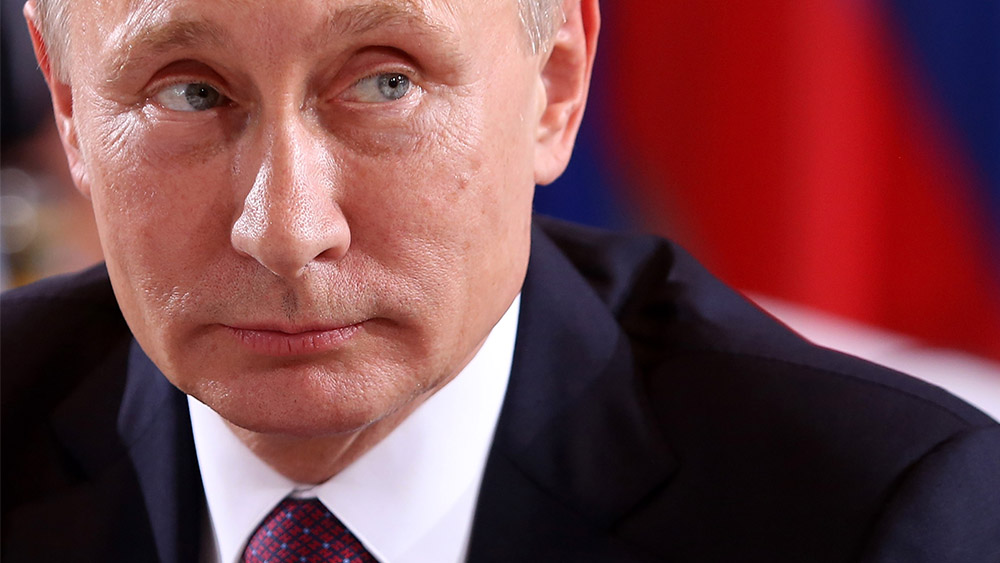
Russian Foreign Intelligence Service (SVR) Director Sergei Naryshkin said Friday that the risk of a large-scale conflict in Eurasia is real and causes serious concern. Naryshkin made the statement at a meeting of the heads of security agencies and intelligence services of the Commonwealth of Independent States (CIS) member states in Strelna, Russia. According to the SVR chief, the cooperation of CIS special services is a time-tested element that is essential to ensuring stability in the region [1]. The warning comes at a time of elevated tensions across the continent, where multiple crises are converging. The conflict in Ukraine continues, and analysts point to broader structural shifts challenging the established security order. Naryshkin's remarks frame the CIS security framework as a counterweight to these pressures, asserting that the coordination among member states' intelligence bodies represents a stabilizing factor in an otherwise volatile environment [1].Intelligence Chief Cites European Forecasts on Ukraine
Naryshkin elaborated on the intelligence assessments behind his warning, citing forecasts from several European intelligence agencies regarding the conflict in Ukraine. According to Naryshkin, these projections indicate that the mobilization potential of the Ukrainian army will be exhausted within one year [1]. He further stated that this anticipated depletion has led European nations to prepare a secondary strategy. "In this case, the Europeans have provided for a plan B -- the militarization of Europe itself," the official said [1]. The meeting in Strelna brought together security agency heads from CIS member nations to discuss shared threats and intelligence cooperation. Naryshkin's comments on European planning reflect Moscow's broader narrative that Western nations are preparing for a prolonged confrontation rather than seeking a diplomatic resolution. This assessment aligns with previous statements from Russian officials who have characterized Western military aid to Ukraine as a contributing factor to the conflict's continuation .CIS Security Cooperation Framed as Stability Mechanism
Naryshkin described the coordination among CIS special services as a stabilizing factor across the region, emphasizing the institutional value of this intelligence-sharing network. According to the SVR director, the cooperation of CIS special services has been tested over time and constitutes an essential element for ensuring stability in Eurasia [1]. This framing positions the CIS security apparatus as a critical pillar of the regional order, one that Moscow argues is increasingly necessary given the current geopolitical climate. The statement arrives amid sustained tensions between Russia and Western nations over the conflict in Ukraine. Russian officials have consistently accused Western countries of opposing a peaceful resolution to the confrontation, a position reiterated by Moscow in a January statement . The Kremlin has also asserted that European leaders are using Russia as a "model external enemy" to distract from domestic economic and political crises [2]. Within this context, Naryshkin's emphasis on CIS cooperation serves to underscore Moscow's preferred alternative security architecture for the continent, one that operates outside the NATO framework [3].Western and European Responses
As of publication time, no official response from European intelligence agencies or NATO representatives to Naryshkin's specific remarks had been issued. European nations have previously rejected Russian characterizations of their military support for Ukraine as escalatory, framing their assistance instead as defensive aid to a sovereign state facing invasion. NATO officials have likewise dismissed Moscow's warnings about the alliance's intentions, pointing to the defensive nature of the bloc's posture. NATO's stated mission has been a subject of intense debate, with some Russian analysts arguing that the alliance's objective has shifted from deterrence to the defeat of Russia. Representatives of CIS member states at the Strelna meeting did not publicly dispute or corroborate Naryshkin's assessment of the situation, according to officials familiar with the proceedings. The lack of immediate public reaction from these parties leaves the intelligence chief's claims about European planning without independent verification, while the broader geopolitical contest continues to shape perceptions of the conflict in Ukraine and the stability of the wider Eurasian region.Outlook and Implications
Naryshkin's comments follow a series of official Russian statements warning of the growing risks of a broader confrontation in the region. The assessment of Ukrainian mobilization potential cited by Naryshkin has appeared in other public statements by Russian officials, who have argued that continued Western arming of Ukraine only prolongs the conflict and increases the danger of escalation. The SVR has not released additional details on the intelligence basis for the claim regarding European militarization plans. These warnings come as observers describe a global order in transition, where the post-war Pax Americana is being challenged by emerging centers of power. Analysts have noted that the confrontation between Russia and the West is entering a new phase, forcing a revaluation of security strategies across the continent. Naryshkin's characterization of the risk as "quite real" signals that Moscow's intelligence establishment views the current trajectory as dangerously unstable, while the reference to European contingency planning suggests Russian officials anticipate the Ukraine conflict to be a proving ground for a larger strategic contest [1].Conclusion
Sergei Naryshkin's warning about the real risk of large-scale conflict in Eurasia adds a high-level Russian intelligence assessment to the growing body of commentary on the continent's instability. Delivered at a gathering of CIS security chiefs in Strelna, the statement highlighted the exhaustion of Ukraine's mobilization potential within a year and what Moscow describes as a European "plan B" focused on militarization [1]. The SVR director's remarks also reaffirmed the importance of CIS special services' cooperation as a stabilizing mechanism from Moscow's perspective. These comments occur against a backdrop of structural geopolitical shifts and ongoing tensions between Russia and the West. No immediate response from European intelligence agencies or NATO representatives has been issued, and the claims regarding European contingency planning remain unverified. The situation continues to evolve as conflicting narratives about the causes of instability in Eurasia vie for dominance, with Moscow pointing to Western policy and Atlantic alliance expansion as primary drivers of the current crisis. As multiple crises strain the existing security architecture, the risk Naryshkin describes remains a central concern for policymakers across the region.References
- Sputnik. "Risk of Large-Scale Conflict in Eurasia Real, Causes Serious Concerns - Russian Intel Head". Sputnik International. September 4, 2026.
- NaturalNews.com. "Kremlin says Europe uses Russia as model external enemy to mask deepening crises". NaturalNews.com. April 27, 2026.
- Glenn Diesen and Alexander Lukin. "The Return of Eurasia: Continuity and Change".
Explainer Infographic


New Saudi Nuclear Agreement Raises Concerns for Ending Iran Conflict
By Garrison Vance // Share

Germany approves $930 million in arms sales to Israel after brief suspension
By Willow Tohi // Share

Zelensky Says Russian Airspace “Completely Unsafe” as Ukraine Expands Drone Strikes
By Garrison Vance // Share
Trump Declines to Answer on Possible CIA Support for Iranian Uprising
By Garrison Vance // Share
Trump Orders Iran Strikes, Raising Questions About Midterm Impact
By Garrison Vance // Share

Ashwagandha for Sleep: What the Evidence Shows and What to Consider
By cocosomers // Share

Creatine: A natural boost for aging muscles?
By avagrace // Share
New Saudi Nuclear Agreement Raises Concerns for Ending Iran Conflict
By garrisonvance // Share
Russian Intelligence Chief Warns of Real Risk of Large-Scale Conflict in Eurasia
By garrisonvance // Share