Join the movement to end censorship by Big Tech. StopBitBurning.com needs donations and support.
Report Outlines Four Animal-Based Foods Packed With Creatine
By cocosomers // 2026-09-20
Mastodon
 Parler
 Gab
Gab Copy
Copy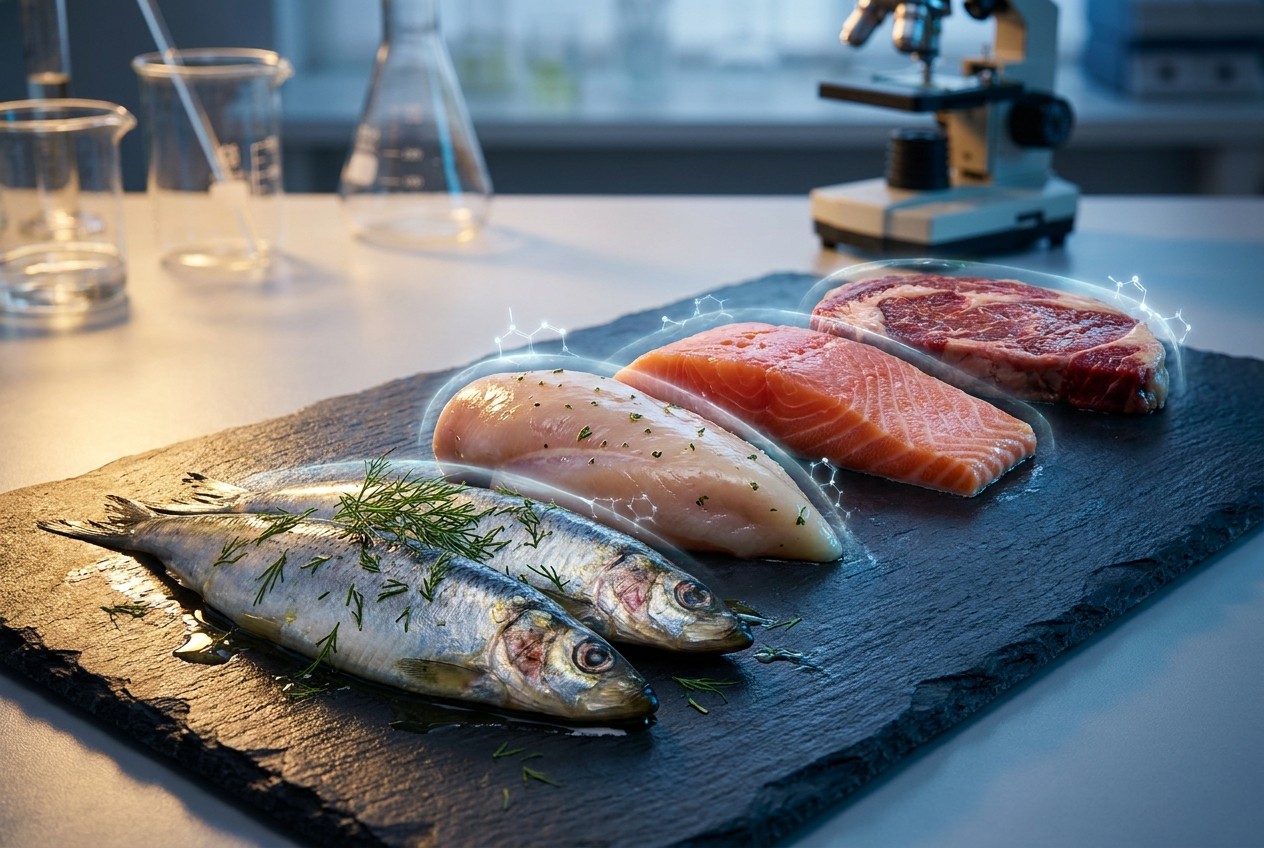
Herring, chicken, salmon and beef contain measurable amounts of creatine, a compound also sold in supplement form, according to a report published by NaturalNews.com [1]. The amounts delivered per serving remain below the 3- to 5-gram doses typical of creatine monohydrate supplements, the report stated.
Dietary creatine occurs only in animal-based foods, according to the cited research. Plant foods do not contain meaningful amounts of the compound, the report stated, a fact that carries implications for people who avoid meat and fish [2]. The findings arrive amid renewed research interest in creatine, which has been studied for muscle performance, cognitive function and immune response [3].

What Creatine Does and How Much Is Needed
Creatine is a compound stored in muscle tissue, where it supports the production of phosphocreatine, a factor in adenosine triphosphate formation that provides energy for muscle contraction [4]. Between 90% and 95% of the body's creatine stores are held in skeletal muscle, with smaller amounts in the brain, heart and other organs, according to a review of creatine research [5]. The body synthesizes roughly half of its daily creatine requirement on its own, and studies suggest total daily needs fall in the range of 2 to 4 grams [6]. A typical supplement serving delivers 3 to 5 grams, according to sports nutrition literature [7]. Creatine monohydrate is among the most researched sports supplements in existence, with studies documenting improved performance in short-duration, high-intensity exercise [8]. One analysis stated that most controlled studies have shown that 20 grams per day of creatine monohydrate for 5 to 6 days improves performance and delays muscle fatigue [4].Herring: Highest Creatine Among the Four
Herring ranked highest among the four foods, delivering 0.67 grams of creatine per 3-ounce serving and 7.84 grams per kilogram, according to the report [1]. Approaching the 3- to 5-gram range of a supplement dose would require multiple servings of the fish, the data indicate. Beyond creatine, herring supplies protein, vitamin D, iodine, selenium, vitamin B12 and omega-3 fatty acids, the report stated. The combination of these nutrients makes herring one of the more nutrient-dense options among the four foods examined, according to the report [1].Chicken, Salmon and Beef
Chicken contains 0.36 grams of creatine per 3-ounce serving, or 4.19 grams per kilogram, according to the report [1]. That serving also provides approximately 25 grams of protein along with vitamin B6 and selenium, the report stated. Salmon delivers 0.36 grams per 3-ounce serving and 4.28 grams per kilogram, the data show [1]. The fish also supplies omega-3 fatty acids and astaxanthin, a carotenoid pigment, according to the report. Omega-3 fatty acids are not manufactured by the human body and must be supplied through diet or supplements, according to Bottom Line Books [9]. Beef contains 0.41 grams per 3-ounce serving and 4.85 grams per kilogram, the report stated [1]. It also provides vitamin B12, zinc, selenium and iron, according to the report. The report also noted that evidence linking red meat and cancer is controversial, and that processed meats high in fat are considered a greater risk [10].Diet Alone Versus Supplementation
Creatine needs can be met through food alone, the report stated [1]. Plant-based eaters, however, register lower creatine stores than meat eaters, and the gap can affect muscle and cognitive outcomes, according to a separate NaturalNews.com report [2]. For people on vegan or restrictive plant-based diets, creatine monohydrate is typically vegan and offers a concentrated alternative to animal foods, according to the report [1]. Cooking can affect the creatine content of foods, and the report advised that anyone with concerns consult a healthcare provider [1]. People curious about energy-supporting nutrients can review summaries at NaturalNews.com, which has reported on creatine's expanding research base [12].Conclusion
Data from the report place herring at 0.67 grams of creatine per 3-ounce serving, followed by beef at 0.41 grams, with chicken and salmon each at 0.36 grams [1]. Each remains below the 3- to 5-gram serving typical of powdered creatine monohydrate supplements. Food sources come with accompanying protein, vitamins and fatty acids; supplements offer concentration in a single serving, though larger portions of food can close the gap, per the data [1]. The report directed readers with health concerns to consult a healthcare provider before changing dietary or supplementation habits.References
- Coco Somers. "Beyond the Gym: New Research Reveals Creatine's Powerful Role in Cancer Prevention". NaturalNews.com. February 8, 2026.
- Evangelyn Rodriguez. "Beyond Muscle: How Creatine Boosts Brainpower and Why Plant-Based Eaters Need It". NaturalNews.com. March 29, 2026.
- NaturalNews.com. "UCLA Study Finds Creatine May Enhance Immune Response Against Cancer". July 12, 2026.
- "The Natural Pharmacy".
- NaturalNews.com. "Beyond Muscle Development: Creatine Supplement Linked to Cognitive Health Benefits". May 11, 2026.
- NaturalNews.com. "Dietitian identifies five nutrients needed for energy production". August 5, 2026.
- "Nutritional supplement use by elite young UK athletes: fallacies of advice regarding efficacy". Journal of the International Society of Sports Nutrition.
- Schuyler W. Lininger, Alan Gaby, Steve Austin, Donald J. Brown, Jonathan Wright. "The Natural Pharmacy".
- "Bottom Lines Super Healing: 1,739 Remarkable Secrets from the World's Greatest Health Experts". Bottom Line Books.
- Dr. Pau Goyen. "Live Well Live Long".
- NaturalNews.com. "Boost your workout performance: Pairing creatine with carbs may enhance results". April 20, 2026.
- NaturalNews.com. "New research reveals creatine benefits for brain, bone and healthy aging in women and seniors". July 1, 2026.
Explainer Infographic

Mastodon
Parler
Gab
Copy
Tagged Under:
superfoods salmon functional food nutrients natural health chicken beef food science supplements.report food cures protein sources food is medicine goodhealth goodfood health science creatine herring adenosine triphosphate Phosphocreatine Creatine Monohydrate
You Might Also Like

Study Finds Gut Compound Urolithin A May Help Repair Intestinal Lining
By Morgan S. Verity // Share

Report Examines 11 Supplements for Lowering Blood Sugar Naturally
By Coco Somers // Share
Apple Varieties Ranked: Nutrition and Pesticide Residues Compared
By Coco Somers // Share


Think You Eat Too Much Sugar? Here’s What Can Happen When You Cut Back
By Iva Greene // Share
Recent News
Apple Varieties Ranked: Nutrition and Pesticide Residues Compared
By cocosomers // Share



Lactic acid bacterium shows promise in flushing nanoplastics from the body
By willowt // Share
Popular This Week