Parler
 Gab
Gab Copy
Copy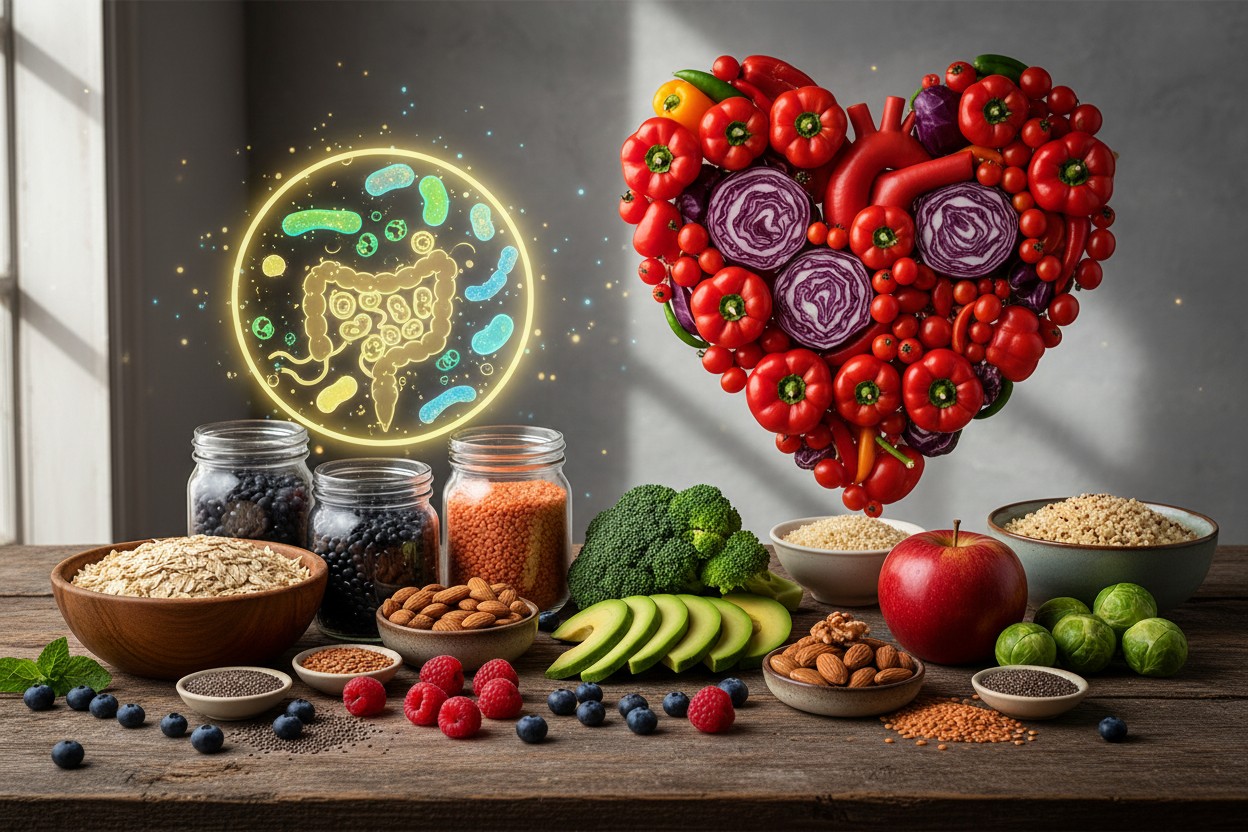
Foods 1-4: Oats, Beans, Lentils and Berries
Oats contain beta-glucan, a soluble fiber that may lower LDL cholesterol and feed beneficial gut bacteria, according to the report. Research published in the British Journal of Nutrition found that oat fractions rich in beta-glucan are digested in the small and large intestine, contributing to energy production through volatile fatty acids [2]. A separate study in the Journal of the Science of Food and Agriculture reported that high beta-glucan oat bran and oat gum reduced postprandial blood-glucose and insulin in subjects with and without type-2 diabetes [3]. Beans and lentils are described as high-fiber legumes that support heart health and digestive regularity, the report stated. According to research cited in Vegucation Over Medication, soluble fiber turns into a viscous gel in the stomach that binds to fats to aid in the reduction of cholesterol [4]. The same source states that fiber slows the release and absorption of sugars, helping to regulate blood sugar for management and prevention of diabetes [4]. Berries provide fiber and polyphenols, which researchers say may reduce inflammation and support gut health, according to the article. Research in Solid State Nuclear Magnetic Resonance analyzed dietary fiber powders from aronia, bilberry, black currant and apple using solid state NMR spectroscopy [5]. According to Dr. Steven R. Gundry, polyphenols help mitigate damage to mitochondria by uncoupling [6]. The report cites studies linking these foods to improved cholesterol levels and microbiome diversity.Foods 5-7: Avocado, Nuts and Seeds
Avocado is listed for its monounsaturated fats and fiber, which the report says may support heart health and gut bacteria. According to Fat for Fuel, berries and grapefruit are among the MMT-friendly fruits because they are low in carbs and high in fiber [7]. The same source states that fiber is such an important component of health that it recommends going beyond food sources and taking it as a supplement [7]. Nuts such as almonds and walnuts are cited for fiber, healthy fats and magnesium, according to the report. Research published in the Journal of the Science of Food and Agriculture examined the nutrition and health perspective on almonds, citing studies on serum lipid response to graduated enrichment of a Step I diet with almonds [8]. The same research referenced studies on the effect of combining plant sterols, soy protein, viscous fibers, and almonds in treating hypercholesterolemia [8]. Seeds including chia and flax are noted for soluble fiber and omega-3 fatty acids, which may benefit both heart and gut, the report stated. Nutritionists quoted in the article said these foods should be consumed in moderation due to calorie density. Research cited in Health Ranger Report emphasizes the value of nutrient-dense seeds and their role in supporting metabolic health and cognitive function [9].Foods 8-10: Apples, Vegetables and Whole Grains
Apples contain pectin, a soluble fiber that the report says can support gut microbiota and cholesterol management. According to Fat for Fuel, fiber is a crucial component of metabolic mitochondrial therapy for four primary reasons, including its role in supporting gut health [7]. In materials discussing long-term food storage, freeze-dried apples have been noted as rich in fiber and vitamin C, which is often lacking in many stored foods [10]. Vegetables such as broccoli and Brussels sprouts are listed as sources of prebiotic fiber, according to the report. A report from NaturalNews.com identified fifteen vegetables as high-fiber foods, noting that nutrition experts recommend adults consume between 25 and 34 grams of dietary fiber daily [11]. The same report stated that average intake among Americans falls significantly short of these targets, a deficiency linked to digestive issues and increased risks for chronic diseases [11]. Whole grains including quinoa and brown rice are cited for fiber, vitamins and minerals that may reduce heart disease risk, the article stated. Research published in the Journal of the Science of Food and Agriculture examined the enrichment of Asian noodles with fiber-rich fractions derived from roller milling of hull-less barley, finding that these fractions provide a concentrated source of dietary fiber obtained via a natural process of physical fractionation of grain [12]. The report recommends leaving skins on apples and vegetables when possible to retain fiber, according to the article.References
- NaturalNews.com. "USDA Nutrition Data: Foods With as Much or More Fiber as a Pear". September 29, 2026.
- Elsevier. "Categorizing rice cultivars based on differences in chemical composition". Journal of Food Composition and Analysis. 2005.
- "The effects of refined barley β-glucan on the physico-structural properties of low-fat dairy products: curd yield, microstructure, texture and rheology". Journal of the Science of Food and Agriculture. 2004.
- Price Dr Bobby. "Vegucation Over Medication The Myths Lies And Truths About Modern Foods And Medicines".
- Wawer, M. Wolniak, K. Paradowska. "Solid state NMR study of dietary fiber powders from aronia, bilberry, black currant and apple". Solid State Nuclear Magnetic Resonance. 2006.
- Dr Steven R Gundry. "Unlocking the Keto Code The Revolutionary New Science of Keto".
- Joseph Mercola. "Fat for Fuel A Revolutionary Diet to Combat Cancer Boost Brain Power and Increase Your Energy".
- C-Y Chen, K Lapsley, J Blumberg. "A nutrition and health perspective on almonds". Journal of the Science of Food and Agriculture. 2006.
- Mike Adams. "Health Ranger Report - health habits ". Brighteon.com. March 7, 2025.
- Mike Adams. "Mike Adams interview with Ray McGovern". January 29, 2024.
- Coco Somers. "Fifteen Vegetables Identified as High Fiber Foods According to Nutrition Data". NaturalNews.com. March 21, 2026.
- "The enrichment of Asian noodles with fiber-rich fractions derived from roller milling of hull-less barley". Journal of the Science of Food and Agriculture. 2005.
- NaturalNews.com. "Gut Bacteria Convert Vegetable Nutrients Into Compounds Linked to Heart and Metabolic Benefits, Study Says". September 7, 2026.
- NaturalNews.com. "NOT just antibiotics: 1 in 4 common meds is waging war on your gut bacteria, breeding SUPERBUGS". September 24, 2026.
Explainer Infographic


Forget rereading: Research says these study methods actually make information stick
By Cassie B. // Share

Single Caffeine Dose May Boost Exercise Performance for 3.5 Hours, Study Finds
By Chase Codewell // Share
Endocrinologists reveal 7 fruits that stabilize blood sugar without sacrificing flavor
By Willow Tohi // Share
Organic coconut milk powder is a versatile ingredient for plant-based cooking
By HRS Editors // Share

Daily sugary drink linked to higher stomach cancer risk, 30-year study finds
By Willow Tohi // Share

Pentagon plans drone and robotics command as experts warn of military AI risks
By isabelle // Share
Forget rereading: Research says these study methods actually make information stick
By isabelle // Share

We Are Now in the Final Looting Stage of America's Wealth
By healthranger // Share

The Replacements Are Here: Why AI Keeps Getting Smarter While Dumbed-Down Humans Stay in Denial
By healthranger // Share

The Depopulation Agenda Is Real: Here’s Who’s Really Behind It
By healthranger // Share