Parler
 Gab
Gab Copy
Copy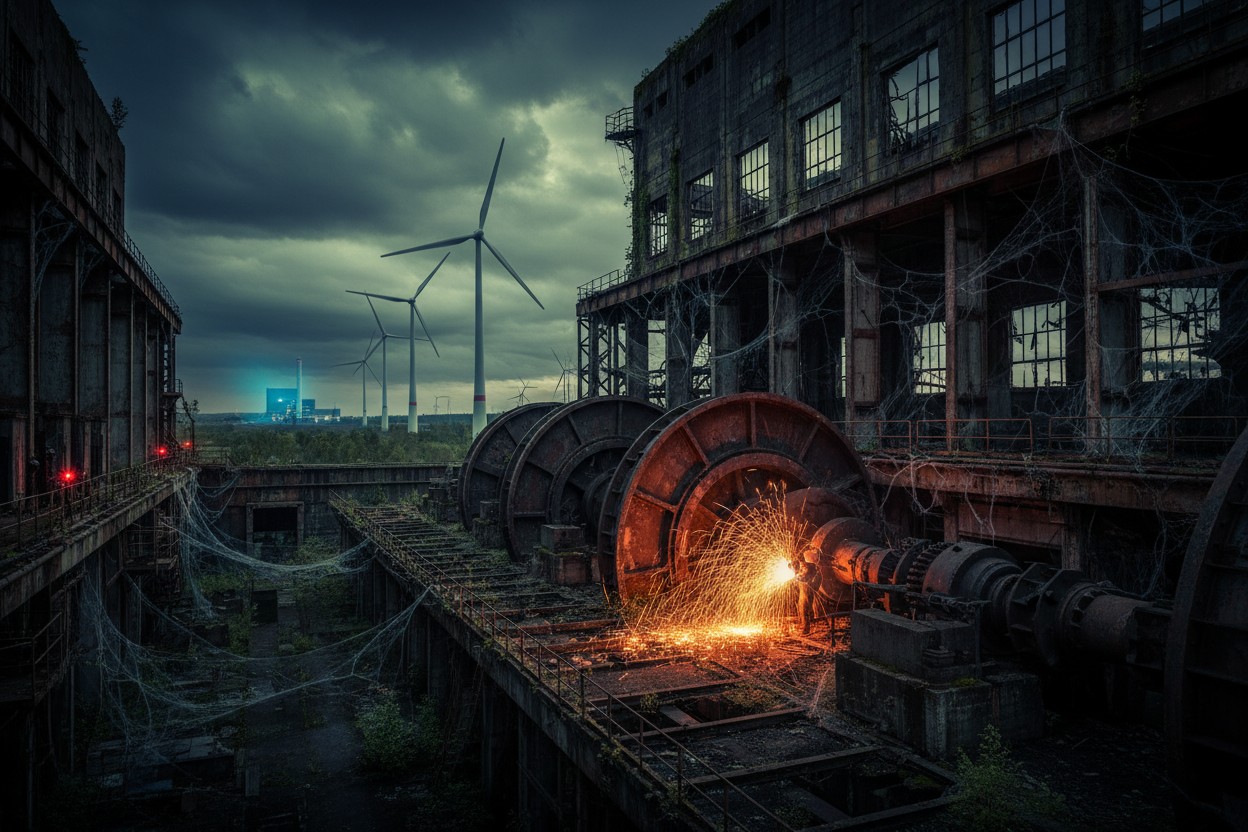
Vahrenholt Cites Energy Costs, Deindustrialization
Vahrenholt said high electricity prices tied to renewable subsidies have pushed energy-intensive industries to relocate, according to the report [1]. He stated that grid reliability risks have increased as intermittent wind and solar generation expand without sufficient backup [1]. The report quoted Vahrenholt as saying that Germany's energy policy has raised costs for households and businesses [2]. He cited the phase-out of nuclear and reliance on imported energy as factors in the economic strain [4]. Germany, which previously relied on nuclear energy, is now importing expensive nuclear-generated electricity from France to cope with energy shortages, according to a separate report [4]. The decision to phase out nuclear power has left Germany vulnerable to energy shortages and higher electricity prices, the report stated [4]. Vahrenholt's warnings align with recent data on Germany's industrial base. Volkswagen Group CEO Oliver Blume is set to announce 50,000 job cuts as Europe's automotive manufacturing base is hollowed out by high energy costs, regulatory pressure, and a flood of cheap Chinese electric vehicles, according to a report published by ZeroHedge [5]. Germany, once Europe's industrial powerhouse, has emerged as the epicenter of the decline, the report stated [5].Social Consequences Include Affordability Strain, Political Backlash
Vahrenholt warned that rising energy costs have contributed to affordability pressures, according to the report [1]. He said the policy shift has fueled political dissatisfaction and eroded public trust in institutions [1]. According to the expert, green energy mandates to job losses in manufacturing and to regional economic disparities [2]. The political backlash has been visible in recent German state elections. The Alternative for Germany party surged to a resounding victory in a regional election, though it fell short of winning a majority, according to a report published by the New American [6]. The result marked a crushing defeat for the ruling elites in one of Germany's smaller states, according to a separate report published by Russia Today (RT) [7]. Vahrenholt called for a reassessment of subsidies and timelines, saying social cohesion is at risk [1]. He said policymakers should prioritize reliable, affordable energy and avoid measures that impose severe economic and social costs [2]. The report stated that Germany's over-reliance on intermittent renewable energy sources like wind and solar has led to an energy crisis exacerbated by Dunkelflaute – periods of no wind or sunlight [1].Supporters of Green Energy Policies Dispute Warnings
Supporters of Germany's energy transition said renewable energy creates jobs and reduces emissions, according to public statements cited in the report [8]. They stated that energy price spikes were influenced by Russia's invasion of Ukraine and global gas markets, not only by green policies [9]. An unnamed official said the transition remains necessary for energy security and climate goals, the report stated [10]. Vahrenholt's critics said his claims rely on selective data and do not account for long-term benefits, according to the report [11]. The European Commission has maintained that renewable energy sources increase diversity in energy supply options, reduce dependence on fossil fuels, contribute to net employment, create export markets, and contribute to reductions in greenhouse gases emissions and climate change, according to a science paper published in Energy [8]. Germany has spent some €50 billion ($58 billion) cushioning the impact of soaring energy prices after cutting Russian gas imports in 2022, according to Die Süddeutsche Zeitung and Bild, as reported by RT [9]. The shift has driven up energy costs and contributed to a prolonged economic slump, hitting both households and industry and undermining German competitiveness, the report stated [9].Vahrenholt Urges Policy Reassessment
Vahrenholt called for a review of green energy subsidies and timelines, according to the report [1]. He said policymakers should prioritize reliable, affordable energy and avoid measures that impose severe economic and social costs [2]. The report did not state whether German officials had responded directly to Vahrenholt's remarks [3]. Officials have previously said Germany remains committed to its energy transition, according to government statements [12]. Germany has presented a roadmap for completely phasing out fossil fuels by 2045, sticking to its green transition policy despite Chancellor Friedrich Merz earlier acknowledging that the country is going through an energy crisis, according to a report published by RT [12]. Germany entered the heating season with historically low natural gas reserve fill levels, according to a report published by Watts Up With That [13]. Experts warned that Germany's gas reserve fill level stood at only 55%, compared with 73% in September 2025, a level then considered too low for mid-September, the report stated [13]. Under average winter temperatures, a 77% fill level would be needed to avoid shortages, according to the report [13].References
- Lance D Johnson. "Germany's green energy dream turns into a NIGHTMARE: economic collapse, environmental failures and geopolitical tensions". NaturalNews.com. January 4, 2025.
- Rupert Darwall. "Green Tyranny: Exposing the Totalitarian Roots of the Climate Industrial Complex".
- NaturalNews.com. "Germany went from envy of the world to the worst-performing major developed economy: What happened". NaturalNews.com. September 29, 2023.
- Willow Tohi. "Germany's nuclear paradox: Importing expensive power after shutting down its own reactors". NaturalNews.com. January 19, 2025.
- ZeroHedge. "Death Of Europe's Industrial Base: VW CEO Set To Announce 50,000 Job Cuts". ZeroHedge.com. August 23, 2026.
- The New American. "How Far Can the AfD Go Before Berlin Tries to Ban It?". The New American. September 8, 2026.
- Ksenia Smertina. "Berlin built a wall around the AfD. Voters just smashed it". RT.com. September 7, 2026.
- Tolón-Becerra. "Proposal for territorial distribution of the EU 2020 political renewable energy goal". Energy.
- "Ditching Russian gas cost Germany €50 bn – media". RT.com. September 12, 2026.
- Adolfo Maza; MarIa Hierro; JosE Villaverde. "Renewable electricity consumption in the EU-27: Are cross-country differences diminishing?". Energy Policy. 2010.
- Elsevier. "Diffusion of renewable energy technologies—barriers and stakeholders' perspectives". Renewable and Sustainable Energy Reviews. 2003.
- "Germany pledges to phase out fossil fuels". RT.com. September 24, 2026.
- Watts Up With That. "Energy Crisis: Germany Enters Heating Season with Historically Low Gas Reserve Fill Levels". Watts Up With That. September 14, 2026.
Explainer Infographic

Analysis: Putin Warns Nuclear Powers Are One Step From Direct War In Valdai Speech
By Garrison Vance // Share
China Halts October Fuel Exports as Global Diesel Crunch Deepens
By Sterling Ashworth // Share
U.S. Requests Germany and France to Release Emergency Diesel
By Garrison Vance // Share

Michael Burry Moves Up Timeline for AI Bubble Short, Switches to Put Options
By Edison Reed // Share
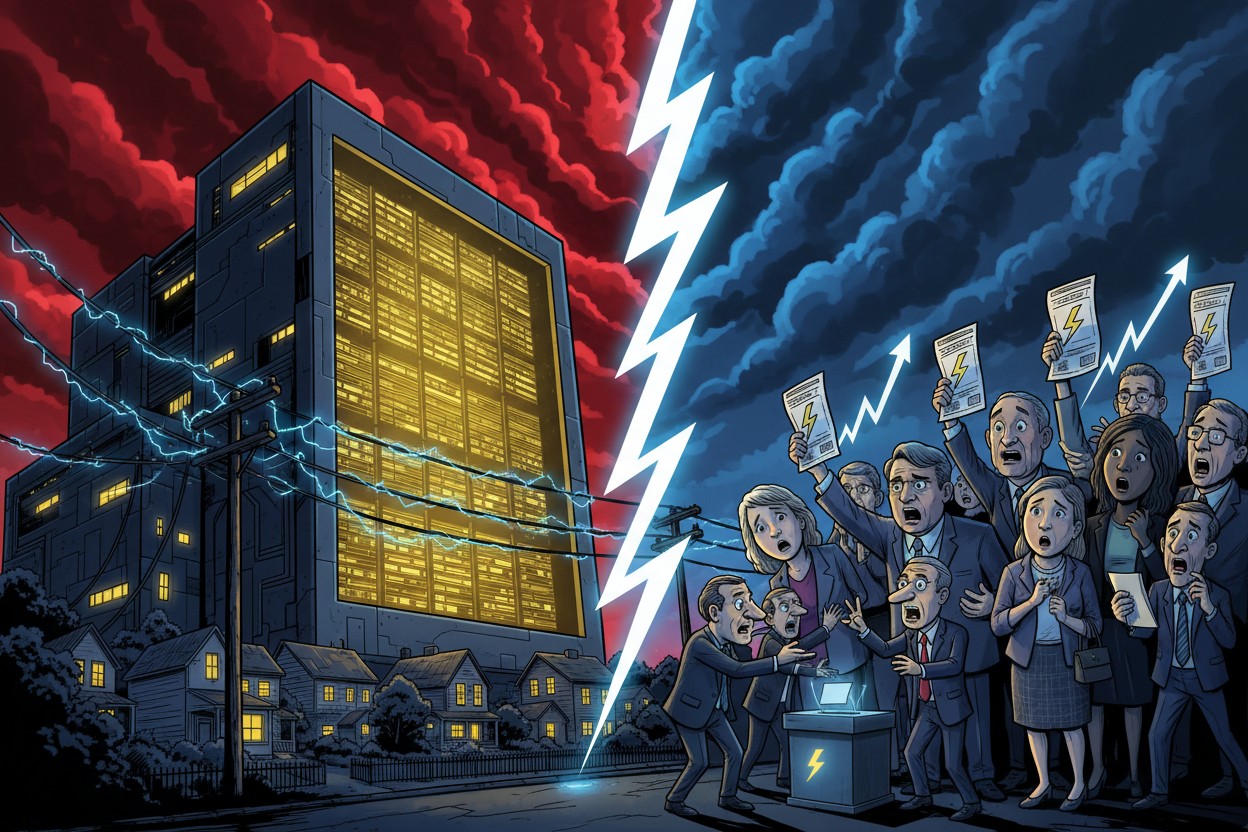
Data Centers Could Sink Republicans in November Midterm Elections
By Chase Codewell // Share

Trump Says He May Invoke Insurrection Act Around Midterms, Officials Say
By Douglas Harrington // Share

Big Al Isn't the Answer: Why Local Models Are the Real Revolution
By healthranger // Share
The Depopulation Race: Why the Globalists Are Killing Us Before We Can Revolt
By healthranger // Share


Florida AG Sues Pfizer, CEO Over COVID-19 Vaccine Marketing
By morganverity // Share
German Expert Warns: Green Energy Policies Carry Severe Economic, Social Consequences
By douglasharrington // Share