 Parler
 Gab
Gab Copy
Copy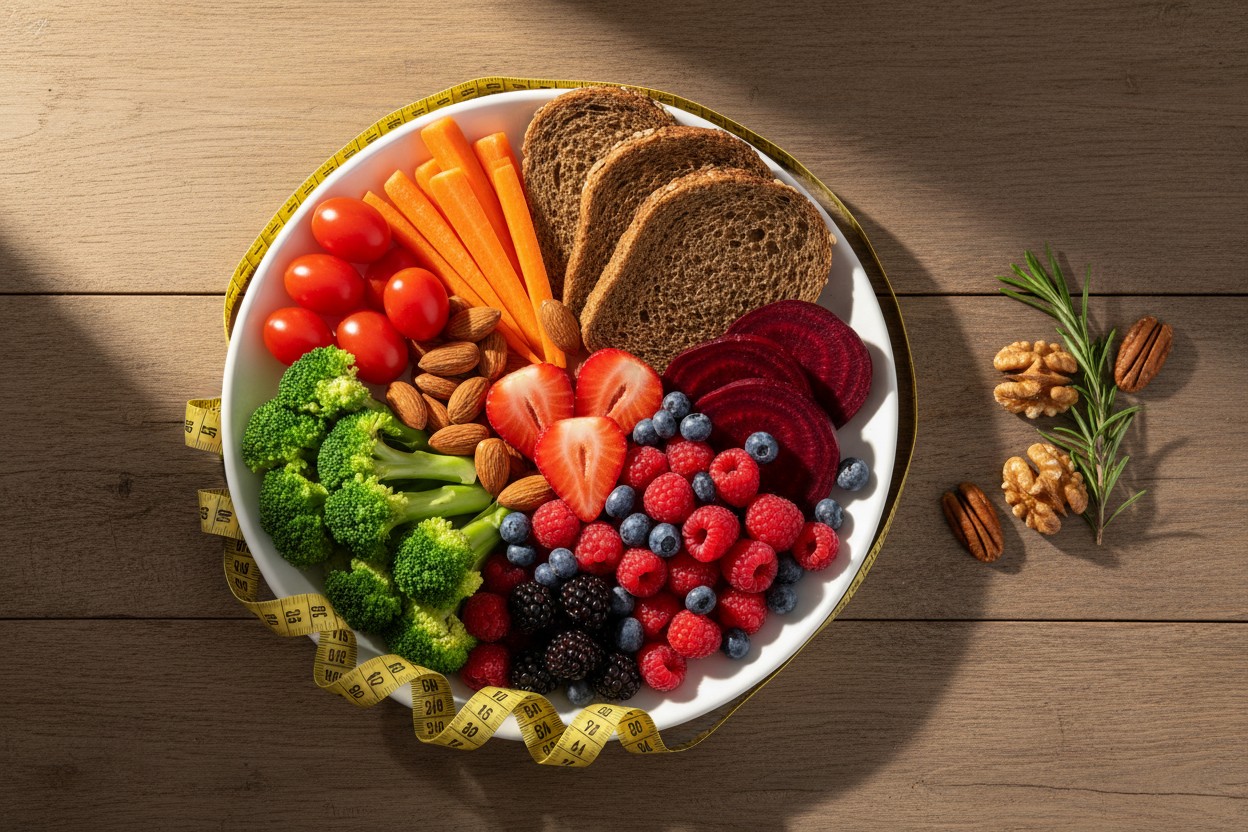
Study Details: Improvements in Five of Six Markers
Participants following the DASH diet experienced significant improvements in five of the six metabolic markers analyzed, according to the meta-analysis. Blood pressure decreased by 5.5 mmHg systolic and 3.9 mmHg diastolic. Waist circumference reduced by about 0.9 inches. Triglycerides dropped by 16.6 mg/dL. The diet was associated with a slight but significant increase in HDL cholesterol and improved HOMA-IR scores, a measure of insulin resistance. Fasting blood sugar showed no significant change despite improvements in insulin resistance. Researchers from the National Institutes of Health have noted that dietary interventions can decrease systolic blood pressure by about 6 to 11 mmHg [3]. The DASH diet was originally developed to prevent or lower high blood pressure, but the new analysis suggests it also benefits other components of metabolic syndrome, according to the study authors. The findings align with research indicating that weight loss of at least 7% can improve metabolic syndrome [4].Implications: A Medication-Free Approach
The study suggests that a single dietary pattern can address multiple metabolic risk factors simultaneously, according to the authors. This reinforces the DASH diet as a practical first-line intervention without requiring supplements, medications, or extreme restrictions. The DASH diet promotes healthy eating by emphasizing whole foods and limiting sodium, added sugars, and saturated fat [2]. Dietary changes play vital roles in improving conditions such as hypertension, with researchers from the NIH stating that dietary change can decrease systolic blood pressure by about 6 to 11 mmHg [3]. The findings align with the perspective that dietary modifications may reduce reliance on pharmaceutical treatments, though the study itself does not make such claims. Recent research has also linked the DASH diet to improved mental health by lowering depression risk [2].Practical Application: Building a DASH-Friendly Plate
The DASH diet emphasizes whole, minimally processed foods while limiting sodium, added sugars, and saturated fat. Recommendations include 8–10 servings of fruits and vegetables daily, whole grains, lean proteins, low-fat dairy, and nuts and seeds. Sodium intake should be kept under 2,300 mg per day, or 1,500 mg for greater blood pressure benefits, according to dietary guidelines. The DASH diet recommends daily intake of 30 g of fiber, including soluble fibers such as pectin found in apples, carrots, beets, bananas, and okra, as well as beta-glucans found in oats and barley, and inulin from chicory and artichokes [5]. For those looking to improve metabolic health, adopting a DASH-friendly eating pattern offers a sustainable, research-backed framework. Studies have also found that the DASH diet, which reduces processed foods and increases intake of whole foods, can be an effective component of a broader nutritional strategy [6].Conclusion: Evidence Supporting DASH
The meta-analysis adds to the evidence that the DASH diet is an effective dietary pattern for metabolic health, according to the authors. The findings provide a research-backed framework for those seeking to lower blood pressure, reduce triglycerides, improve insulin sensitivity, and reduce waist circumference through diet alone. The study was published in Frontiers in Nutrition. As the DASH diet continues to gain support from clinical research, it remains a practical and accessible option for individuals managing metabolic syndrome.References
- Mercola.com. "High Blood Pressure Related Deaths Are Way Up". Mercola.com. April 15, 2015.
- NaturalNews.com. "The DASH diet not only benefits heart health it also improves mental health by lowering depression risk". NaturalNews.com. April 25, 2020.
- Liam Gellman. "Dash Diet Cookbook 2020".
- Rippe James M. "Lifestyle Medicine".
- Isaias Dichi and Andrea Name Colado Simao. "Nutritional Intervention in Metabolic Syndrome".
- Mercola.com. "Eating Right and Exercise Can Turn Back the C". Mercola.com. January 18, 2019.
- NaturalNews.com. "Study Links Choline and Betaine Intake to Slower Cognitive Decline in Older Adults". May 3, 2026.


Sodium-Ion Batteries Gain Ground in Energy Storage Market
By Edison Reed // Share
Study: Kimchi Probiotic Shows Potential to Help the Body Flush Nanoplastics
By Coco Somers // Share


The Copper Scroll: Evidence of Solomon’s lost treasure and templar power
By Patrick Lewis // Share
The golden years’ nutritional reckoning: Why seven nutrients now matter more than ever
By Ava Grace // Share


Macron fires back at Trump over AI map claiming French islands as U.S. territory
By isabelle // Share

EU quietly plots way to keep Russian billions out of Moscow's reach
By isabelle // Share

It’s Not Panic Buying—It’s Preparedness: Why Smart People Are Stocking Up Now
By healthranger // Share


Being a Person of Principle Will Always Make You an Enemy of the State
By healthranger // Share