 Parler
 Gab
Gab Copy
Copy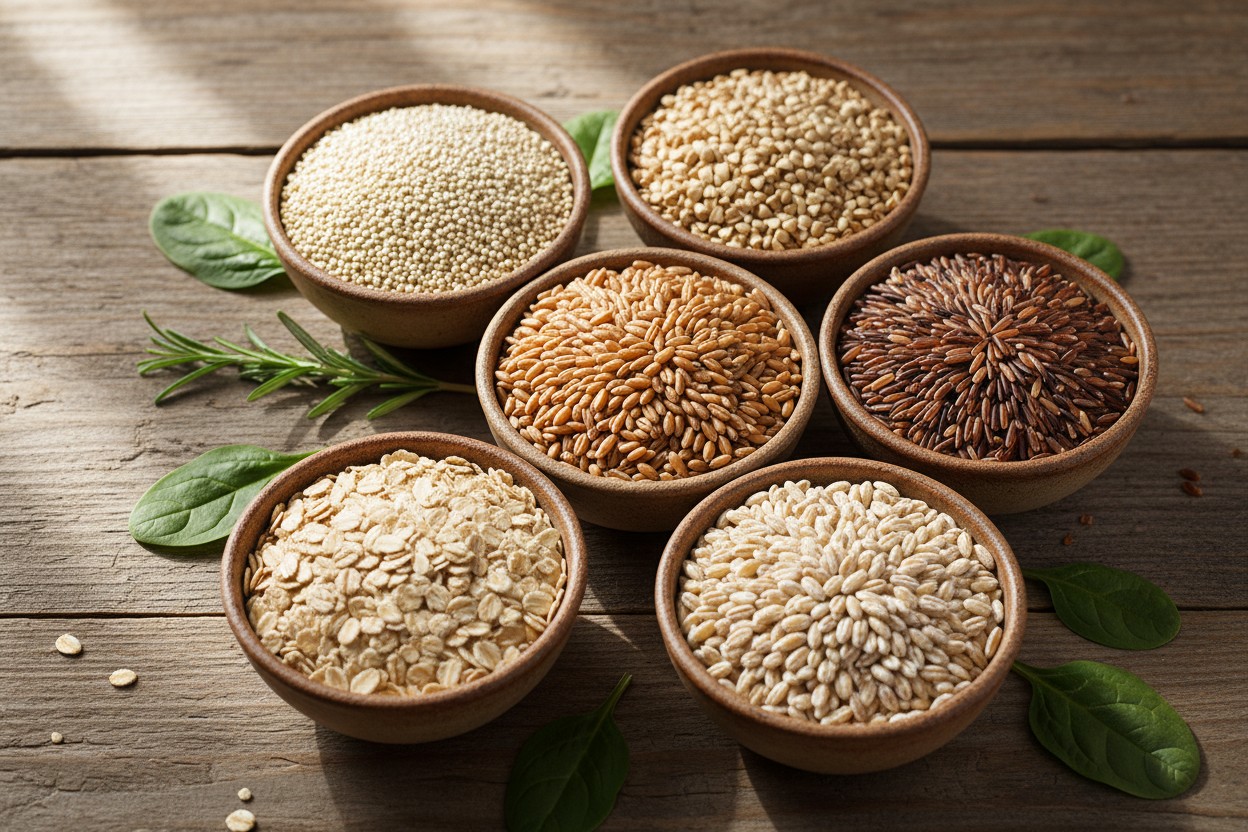
Support Good Health With Magnesium-rich Grains
Most adults need 310 to 420 milligrams (mg) of magnesium daily to support nerve, muscle, and bone health. Magnesium also has a role in helping regulate blood pressure and blood sugar, according to a May 2026 article by Abby Norman on VeryWellHealth. Approximately 75% of Americans fall below the recommended daily intake of magnesium [1]. Whole grains are rich in complex carbohydrates, fiber, and minerals, including magnesium, as noted in a report [2]. Here are six grains that should be part of a balanced diet.Quinoa
Quinoa provides 59 mg of magnesium per half-cup (cooked), Norman wrote. It can be used in salads, protein bowls, or as a binder in bean burgers, the report stated. The grain also supplies iron, fiber, and potassium. Quinoa is a complete protein containing essential amino acids and is high in fiber, antioxidants, and minerals. [3] Rich in magnesium and potassium, quinoa relaxes blood vessels, reduces inflammation and counteracts sodium retention, helping regulate blood pressure and prevent hypertension.Buckwheat
Buckwheat contains about 43 mg of magnesium per half-cup (cooked), Norman explained. Despite its name, buckwheat is gluten-free and offers fiber, phosphorus, and antioxidants. Uses include pancakes, baked goods, pasta, or cooked groats (kasha) as a rice or oatmeal alternative. The beneficial effects of buckwheat are in part due to its rich supply of flavonoids, particularly rutin and quercetin. [4] These flavonoids extend the action of vitamin C and act as antioxidants. Diets that contain buckwheat have been linked to a lowered risk of hyperlipidemia and hypertension.Brown Rice
Brown rice has about 43 mg of magnesium per half-cup (cooked). It is a fiber-rich option for soups, salads, stir-fries, burritos, and casseroles. The grain also contains potassium, phosphorus, and folate. White rice undergoes a refining process that removes the bran and germ, which takes with it many B vitamins, iron, vitamin E, selenium, fiber, and other health-supporting components. Choosing brown rice over white rice ensures you get these nutrients.Whole Wheat
Whole wheat flour provides 82 mg of magnesium per half-cup, and one slice of 100% whole wheat bread has 28 mg, wrote Norman. Choosing whole-wheat versions of bread, crackers, and pasta over refined white versions can increase magnesium, selenium, and folate intake. The report suggests substituting whole wheat flour for part of the all-purpose flour in baking. Whole grain intake has been linked to a reduced risk of heart disease, hypertension, and Type 2 diabetes. [6] According to a study published in the International Journal of Public Health, consuming whole grains can help improve brain health and memory among the elderly. [7]Barley
Barley provides 17.3 mg of magnesium per half-cup (cooked), according to Norman. It can be used in soups, stews, breakfast cereal and salads or as a stuffing. Hulled barley offers slightly more magnesium than pearled varieties but requires longer cooking. Purple barley is an excellent source of anthocyanins, providing additional health benefits. [8]Oats
Oats contain 32 mg of magnesium per half-cup (cooked), Norman wrote. They can be eaten as oatmeal or used in bread, smoothies, and granola bars. Steel-cut oats provide more nutrients than rolled or instant oats, including zinc, selenium, folate, and lutein. Oats, a whole grain, can increase insulin sensitivity. [9]Conclusion
Incorporating these grains into meals can help you meet your daily magnesium requirements, the article indicated. The report also noted that choosing whole grain versions over refined options provides additional fiber and micronutrients. Whole grains are rich in soluble fiber that aids metabolism and digestion. They also pack antioxidants that protect against inflammation and cellular damage. [10]References
- GreenMedInfo.com. "Magnesium Rich Foods and Why You Need Them."
- Editors at Reader's Digest. "Foods That Harm Foods That Heal."
- Ramon Tomey. "Quinoa: An Ancient Superfood for Heart Health." NaturalNews.com. March 04, 2026.
- Unknown. "The Encyclopedia of Healing Foods."
- MD Vance H Ferrell and Harold M Cherne. "The Natural Remedies Encyclopedia Seventh Edition."
- Zied Elisa. "Younger next week your ultimate Rx to reverse the clock boost energy and look and feel younger in 7 days."
- NaturalNews.com. "Consuming whole grains can help improve brain health and memory among the elderly." October 19, 2021.
- Mike Adams. "Mike Adams interview with Ray McGovern." January 29 2024.
- Perricone Nicholas. "Ageless face ageless mind erase wrinkles and rejuvenate the brain."
- NaturalNews.com. "Whole grains: 10 Hearty options for a healthy diet." June 05, 2020.
Study Links Four Nutrients to Reduced Depression Risk in U.S. Adults
By Coco Somers // Share


Spicy Food Consumption Linked to Lower Heart Disease Risk in Large Chinese Study
By Coco Somers // Share
The quiet power of seven superfoods: A mushroom blend that’s turning heads
By HRS Editors // Share


Study Links Healthier Sleep Patterns to Lower Cancer Risk, Identifies Protein Signature
By Morgan S. Verity // Share


Macron fires back at Trump over AI map claiming French islands as U.S. territory
By isabelle // Share

EU quietly plots way to keep Russian billions out of Moscow's reach
By isabelle // Share

It’s Not Panic Buying—It’s Preparedness: Why Smart People Are Stocking Up Now
By healthranger // Share


Being a Person of Principle Will Always Make You an Enemy of the State
By healthranger // Share