 Parler
 Gab
Gab Copy
Copy
- Bitcoin’s 23% weekly surge is linked to Treasury Secretary Scott Bessent’s plan to double long-term bond buybacks.
- Over $1 billion in short positions were liquidated, marking one of the largest squeezes in crypto history.
- President Trump is aggressively pushing the CLARITY Act, with a Senate vote scheduled for September 15.
- The administration views stablecoins as a potential $3.7 trillion market, which could serve as a massive purchaser of U.S. Treasuries.
- Analysts are split on whether ETF inflows signal a sustainable recovery or a temporary headfake.
Using crypto speculation to prop up the dollar
The current rally is not occurring in a vacuum, nor is it the product of organic retail enthusiasm. It is the direct result of a policy shift emanating from the highest levels of the U.S. government. Treasury Secretary Scott Bessent’s announcement that the department would double its buybacks of long-dated bonds sent shockwaves through the yield curve. This move effectively lowered long-term yields, reducing the opportunity cost of holding non-yielding assets such as Bitcoin and gold. As yields dropped, the dollar weakened to a three-month low, and capital rotated aggressively into risk-on assets. The mechanics are simple: when the dollar loses value and bond yields offer little return, alternative stores of value become increasingly attractive. This policy is not merely a technical adjustment. It is a signal that the Treasury is willing to manipulate the debt market to support asset prices, a strategy that carries significant risks for the broader economy. The increased buybacks effectively inject liquidity into the system at a time when the government is grappling with a national debt that continues to spiral upward. By lowering yields, the Treasury reduces its own borrowing costs, but it also undermines the dollar's purchasing power. This creates a delicate balancing act, one where the administration appears willing to sacrifice traditional currency strength to prop up the equity and crypto markets.The White House’s crypto gambit is short term genius but risky
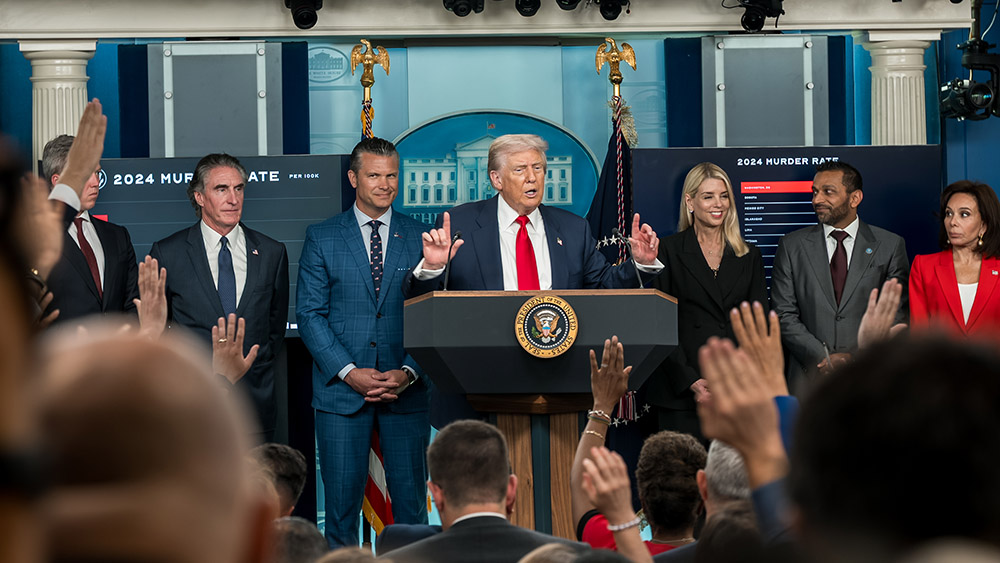
President Trump has declared this week to be "crypto week," a designation that underscores the administration's aggressive pivot toward digital assets. At a White House summit with crypto executives, Trump urged lawmakers to pass the CLARITY Act, a landmark piece of legislation that would establish a comprehensive regulatory framework for digital assets. The bill, which has been long sought by the industry, is scheduled for a Senate procedural vote on September 15. "It’s a very, very powerful structure legislation which will keep us ahead of China, keep us ahead of everyone else," Trump said, framing the bill as a matter of national competitiveness. The timing of this legislative push is critical. The administration is not just looking to legitimize crypto for ideological reasons. There is a clear fiscal motive at play. Bessent has suggested that the stablecoin currency market could grow into a $3.7 trillion market by the end of the decade. If that projection holds, it would mean $3.7 trillion in purchases of U.S. Treasuries, providing a captive buyer for a significant portion of the national debt. This would be a monumental shift in how the government finances its obligations, moving away from foreign central banks and toward a new class of digital asset holders. This strategy, while innovative, is fraught with peril. It essentially creates a circular economic system where the government issues debt, the dollar weakens, investors buy Bitcoin to hedge, and the proceeds from that speculative activity are theoretically meant to backstop the Treasury market. The risk is that this system relies on perpetual market confidence. If Bitcoin were to crash, the stablecoin market could collapse, leaving the Treasury without a key buyer and triggering a fiscal crisis of significant proportions. The administration is essentially betting the stability of the dollar on the volatility of a digital asset, a proposition that has historically been risky. If the CLARITY Act fails in the Senate or if the Treasury's buyback program proves insufficient to hold yields down, the market could quickly reverse. Investors are left to navigate a landscape where the rules are being rewritten in real time, and the ultimate arbiter of value is no longer market fundamentals, but the whims of fiscal policy. Sources include: BitcoinMagazine.com BitcoinMagazine.com BusinessInsider.com
Trump attacks former allies Carlson, Massie, Greene, calls them “LOSERS”
By Garrison Vance // Share

The AGI Ceiling: Why Frontier AI Labs Are Keeping Their Best Models Secret
By Mike Adams // Share

Anti-Surveillance Protests Escalate: Over 160 Flock Cameras Destroyed Across the U.S.
By Edison Reed // Share

Coinbase CEO: Bitcoin “Very Likely” to Reach $400,000 by 2030
By Sterling Ashworth // Share
The ‘Economic D-Day’ bluff: Trump’s desperate gamble as Iran refuses to fold
By Lance D Johnson // Share
The AGI Ceiling: Why Frontier AI Labs Are Keeping Their Best Models Secret
By healthranger // Share

Trump's Argentina Beef Import Flood: Betrayal of American Farmers and the Road to Food Dependency
By healthranger // Share

Turkey seeks Netanyahu's arrest over Gaza flotilla raid
By isabelle // Share

Blueberry compound linked to memory protection in new review of human trials
By isabelle // Share

Why workouts often fail for weight loss but prove essential for maintenance
By isabelle // Share