Parler
 Gab
Gab Copy
Copy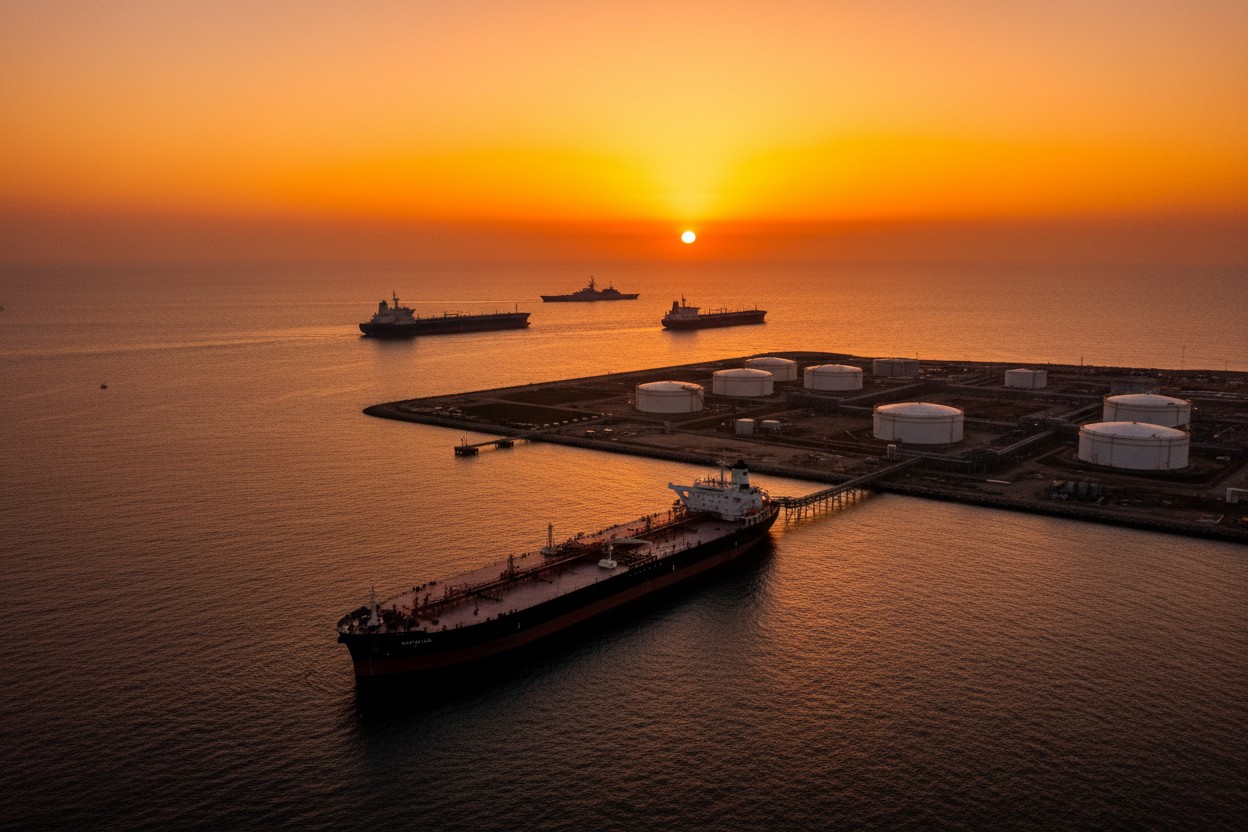
- Instead of just reopening the waterway after recent conflicts, Iran has announced a plan with Oman to create a new authority that would charge fees for any ship passing through. This would effectively let Iran tax and control the flow of the world’s oil and natural gas.
- This narrow 13-to-21-mile passage carries about one-quarter of the world's energy supplies, including 20% of global oil and nearly 20% of liquefied natural gas. If Iran controls it, energy prices, fertilizers and even food costs could spike worldwide.
- When the war started, the United Arab Emirates began rerouting its oil through the port of Fujairah to avoid the strait. Iran's new plan claims authority over waters near that port, threatening to cut off that alternative and tighten its grip on the region's oil exports.
- The Strait has been effectively closed since late February, and shortages in fertilizer and energy are already being felt. If Iran permanently monetizes this bottleneck, it could cause supply chain breakdowns, fuel price spikes and economic pain from Japan (which depends on the strait for survival) to Western Europe.
- In the past, Iran never fully closed the Strait because it needed to export its own oil. But this new toll system shows Iran wants to permanently "own" the waterway, leaving the rest of the world with a grim choice: pay the tolls or face a global energy crisis.
The U.S.-Israel war on Iran has exposed a fragile global system
The UAE is directly in Iran's crosshairs. Since the war started, the Emirates rerouted its oil exports by pipeline to the Fujairah Port to bypass the strait. Iran's new plan explicitly claims authority over waters south of Fujairah, threatening to cut off that alternative route. Emirati presidential advisor Anwar Gargash dismissed the idea as a "pipe dream," accusing Iran of trying to create a new reality from a military defeat. But the damage is already done. The standoff has exposed a fragile global system where a single 21-mile waterway can cripple economies. Japan, which imports much of its energy through Hormuz, has called the strait a matter of survival. Western Europe, already reeling from self-inflicted energy crises, faces the nightmare of losing access to natural gas shipments. Iran's leverage is undeniable. While experts note the country has never fully closed the strait in past conflicts—largely because it needs to export its own oil—the current toll proposal is a different beast. It signals a permanent shift: Iran no longer just wants the strait open; it wants to own it. For the rest of the world, the choice is grim: pay up, or brace for a global energy famine. Watch this clip as the Health Ranger Mike Adams explains how the Strait of Hormuz closure is pushing people toward off-grid solar energy. This video is from the Health Ranger Report channel on Brighteon.com. Sources include: TheCradle.co Bloomberg.com BrightU.ai Brighteon.com
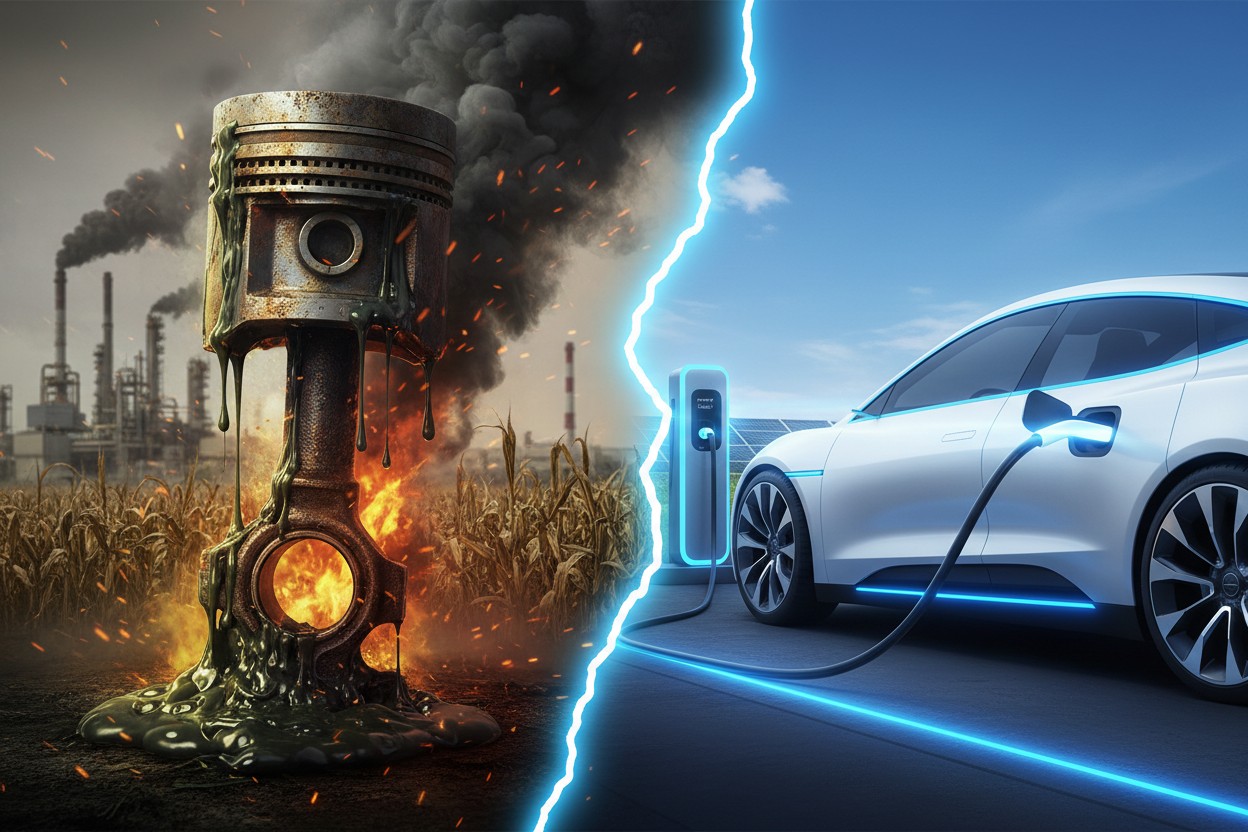
Congress is Destroying Your Engine: The Ethanol Mandate and Why You Should Switch to EVs Now
By Mike Adams // Share


Pakistan Rejects Trump’s Demand to Normalize Ties With Israel
By Garrison Vance // Share

Netanyahu Directs Israeli Military to Expand Gaza Occupation to 70%
By Garrison Vance // Share
Copper Tariff Trade Tightens Global Supply
By Sterling Ashworth // Share

The AGI Ceiling: Why Frontier AI Labs Are Keeping Their Best Models Secret
By healthranger // Share

Trump's Argentina Beef Import Flood: Betrayal of American Farmers and the Road to Food Dependency
By healthranger // Share
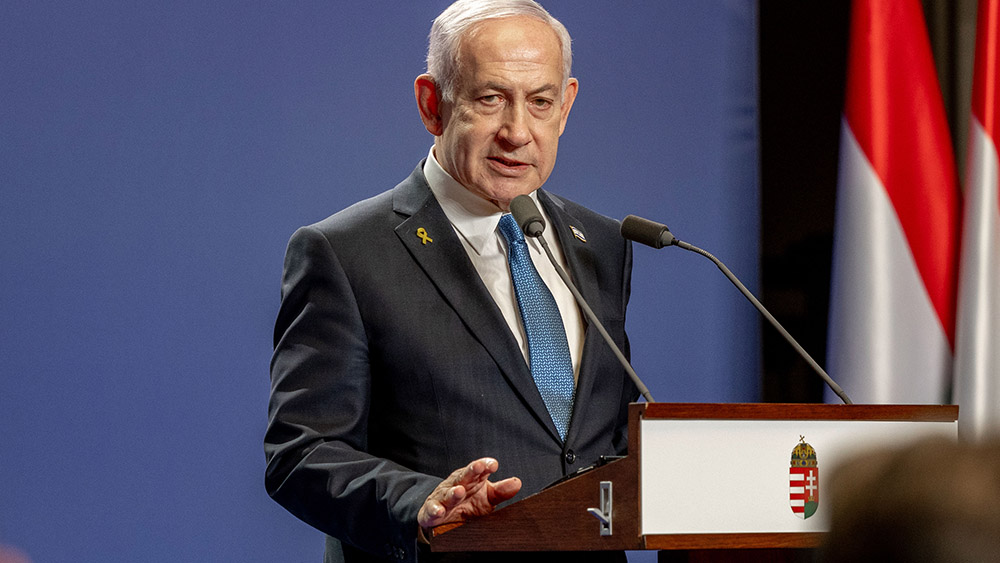
Turkey seeks Netanyahu's arrest over Gaza flotilla raid
By isabelle // Share

Blueberry compound linked to memory protection in new review of human trials
By isabelle // Share

Why workouts often fail for weight loss but prove essential for maintenance
By isabelle // Share