 Parler
 Gab
Gab Copy
Copy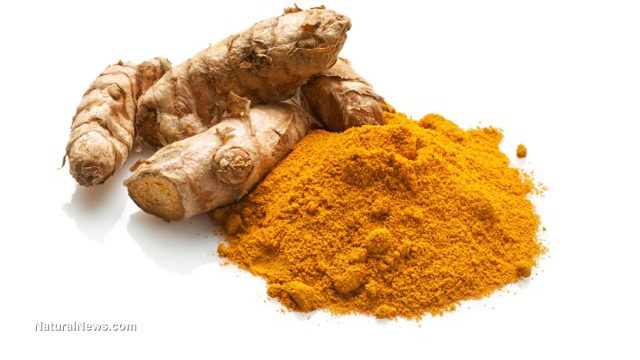
- A small 2026 study found 80 milligrams of daily curcumin improved HbA1c in adults over 60 with prediabetes or obesity.
- The curcumin group showed no weight or cholesterol changes, suggesting blood sugar improvement came from better insulin use rather than weight loss.
- A comprehensive review shows curcumin can alleviate high blood sugar and insulin resistance through ten distinct biological mechanisms.
- A 2012 study found a nine-month curcumin intervention prevented type 2 diabetes entirely in prediabetic subjects while 16 percent of the placebo group developed it.
- Experts recommend 500 to 1000 milligrams of turmeric root extract daily with piperine for absorption.
What the study actually found
All participants were over age 60 and carried either a prediabetes diagnosis or obesity, two conditions that place millions of Americans on a dangerous trajectory toward full-blown type 2 diabetes. Prediabetes represents an early warning sign, a state where blood sugar runs higher than healthy levels but has not yet crossed the threshold into diabetes. The body, in essence, has begun showing signs of insulin resistance, struggling to respond properly to the hormone that moves glucose from the bloodstream into cells. Researchers measured fasting blood glucose, HbA1c, weight, cholesterol, and gut bacteria over the 12-week period. The curcumin group showed no significant changes in weight or cholesterol, which led scientists to conclude that the HbA1c improvement likely did not come from weight loss. Instead, the finding hints that curcumin may work by improving how the body actually uses insulin, a possibility that demands further investigation.A history of promise and caution
Turmeric has been used in Eastern medicine for centuries, traditionally employed for improving liver function, aiding digestion, and easing pain from conditions such as arthritis. Modern research has increasingly turned its attention to curcumin, the polyphenol responsible for turmeric's golden color and much of its therapeutic reputation. A comprehensive review published in the International Journal of Endocrinology and Metabolism, analyzing studies from 1998 to 2013, concluded that curcumin can help alleviate elevated blood sugar levels and insulin resistance through ten distinct biological mechanisms. That review examined 19 cell and animal studies, along with five human clinical trials. One notable 2012 study published in Diabetes Care found that a turmeric extract prevented the development of diabetes entirely in prediabetic subjects who took six capsules containing 250 milligrams of curcumin daily for nine months. None of those participants developed type 2 diabetes, while 16.4% of the placebo group did.The bigger picture on dosage
Experts generally recommend between 500 and 1,000 milligrams of turmeric root extract daily for overall health support. Absorption matters considerably; supplements formulated with piperine, the active compound in black pepper, can enhance curcumin's bioavailability by nearly sixfold, which is why even the lower end of that range may be sufficient when the supplement is well-formulated. Experts note that taking too low of a dose, like the 80 milligrams used in this study, may not produce the results most people want, while excessively high doses carry their own risks. Curcumin's bioavailability is a persistent challenge in research as it tends to absorb poorly in the digestive tract and clears from the body relatively quickly, which is why it is often combined with black pepper or formulated using specialized delivery technology. Long-term use of high-dose turmeric has been linked to liver strain in some cases, and anyone with a gallbladder condition should consult a doctor before supplementing, as it may aggravate the problem.A tool, not a cure
The recent study, while modest in scale, adds to a growing body of evidence that this ancient spice deserves serious attention from both the medical community and the public. More than 40.1 million Americans, roughly 12% of the population, now live with diabetes. Pharmaceutical treatments like metformin and insulin remain important and well-supported tools for managing blood sugar and reducing the risk of long-term complications; research consistently shows that early and appropriate use of medication can slow disease progression and protect vital organs. However, most experts agree that medication works best as part of a broader strategy rather than in isolation. Turmeric should not be mistaken for a natural cure. It serves instead as a valuable adjunct to a broader plan that includes proper diet, regular physical activity, and sustained attention to overall lifestyle factors. The spice that has graced dishes and medicine cabinets for millennia now finds itself at the center of a modern conversation about how small, daily choices might shift the trajectory of a disease that touches nearly every American family. Sources for this article include: MindBodyGreen.com Healthline.com NYPost.com
Study Links Adequate Levels of Five Micronutrients to Lower Odds of Depressive Symptoms
By Coco Somers // Share

Coffee’s Health Benefits: An Overview of Research and Perspectives
By Coco Somers // Share
When regulators knew more than they told: The untold story of mRNA vaccine biodistribution
By Willow Tohi // Share
Herbs Ranked Among Top Food Sources of Magnesium, Data Shows
By Coco Somers // Share

Artisan Cheese Identified as Source of Live Probiotic Bacteria in Recent Study
By Coco Somers // Share
Magnesium and Heart Health: Three Mechanisms Supported by Research
By Coco Somers // Share

The AGI Ceiling: Why Frontier AI Labs Are Keeping Their Best Models Secret
By healthranger // Share

Trump's Argentina Beef Import Flood: Betrayal of American Farmers and the Road to Food Dependency
By healthranger // Share

Turkey seeks Netanyahu's arrest over Gaza flotilla raid
By isabelle // Share
Blueberry compound linked to memory protection in new review of human trials
By isabelle // Share


ICE Releases Former Pinochet Agent After Legal Challenge
By morganverity // Share